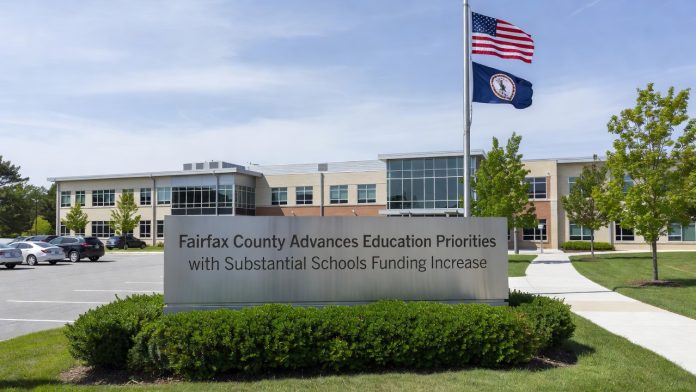
The newly proposed Virginia biennium budget for fiscal years 2027 and 2028 introduces a staggering level of state spending that has raised significant concerns among fiscal conservatives. At the center of this financial blueprint is a historic two billion dollar allocation in new public education funding, marking the largest single investment of its kind in the history of the Commonwealth. While proponents argue this massive outlay is necessary, taxpayers are left wondering how the state plans to protect these funds from administrative waste and bureaucratic fraud. Fiscal watchdogs emphasize that continuously expanding the state budget places an unsustainable burden on hardworking citizens who ultimately foot the bill.
Historic Education Spending Sparks Fiscal Concerns
Under the new budget framework, public education will see an unprecedented influx of cash, accompanied by a mandated four percent raise for teachers and school support staff. Speaker Don Scott praised the initiative, asserting that the budget “delivers real results for the people of Virginia” by solving problems and creating opportunity. However, throwing billions of taxpayer dollars at the public school system does not automatically equate to improved academic outcomes or better classroom instruction. Conservatives have long warned that without strict accountability measures, historic funding increases frequently disappear into administrative bloat rather than benefiting the students directly.
Beyond the K-12 education expenditures, the budget allocates an additional 577 million dollars toward childcare and early childhood education programs. Massive state interventions into the childcare sector often displace private enterprise and create inefficient government-run systems prone to massive overspending. Taxpayers expect their elected officials to scrutinize every dollar to ensure that these social programs do not become breeding grounds for systemic fraud. Reducing the size and scope of government intervention is crucial to saving taxpayer money and allowing free markets to provide more cost-effective solutions for families.
Minimum Wage Hikes and Expanding Payrolls
The budget also mandates aggressive minimum wage increases, pushing the baseline pay to $13.75 per hour in 2027 and ultimately reaching $15 per hour by 2028. Economic experts and conservative lawmakers consistently warn that artificial wage floors place severe financial strain on small businesses operating on razor-thin margins. When the government forces employers to drastically increase their labor costs, those expenses are inevitably passed down to consumers through higher prices on everyday goods. This mandated wage hike threatens to exacerbate the very affordability crisis that state leaders claim they are trying to solve.
In addition to private sector mandates, the state government is significantly expanding its own payroll obligations through guaranteed raises. State employees, constitutional officers, and home healthcare workers are slated to receive a three and a half percent pay increase in each year of the biennium. While rewarding public servants is a popular talking point, these recurring financial obligations permanently inflate the baseline budget of the Commonwealth. Fiscal conservatives argue that lawmakers should focus on streamlining state departments and reducing the government workforce to provide meaningful tax relief to private-sector workers.
Housing, Healthcare, and Washington Politics
The expansive budget extends its reach into affordable housing, homelessness initiatives, eviction prevention programs, and healthcare subsidies aimed at lowering insurance premiums. Governor Abigail Spanberger defended the spending package, stating that it addresses the affordability crisis created by “reckless policies out of Washington.” While her criticism of federal overspending resonates with conservative voters, replicating that exact same strategy at the state level is entirely counterproductive. True fiscal responsibility requires lawmakers to reject the borrow-and-spend mentality of the federal government, rather than mirroring it within the borders of Virginia.
House Appropriations Chair Luke Torian claimed the conference report reflects a commitment to making Virginia more affordable while maintaining the “fiscal discipline” that has made the Commonwealth a national leader. He further stated that the budget prepares Virginia for future challenges “without compromising our long-term financial stability.” Despite these assurances, the sheer volume of new spending across multiple state departments contradicts the fundamental principles of fiscal conservatism. Maintaining genuine financial stability requires actively cutting wasteful programs, eliminating redundant agencies, and returning surplus revenue directly to the taxpayers.
Protecting the Taxpayer Moving Forward
As the massive FY2027 and FY2028 biennium budget takes effect, Virginia taxpayers face the daunting reality of funding an increasingly expensive state apparatus. The historic two billion dollar education investment must be subjected to rigorous audits to ensure that every cent is shielded from fraud and mismanagement. Lawmakers have a moral obligation to protect the financial well-being of their constituents by resisting the urge to endlessly expand the size of government. Future legislative sessions must prioritize aggressive budget reductions, root out systemic waste, and restore true fiscal conservatism to the Commonwealth.