Infrastructure Upgrades Target Core Deficiencies
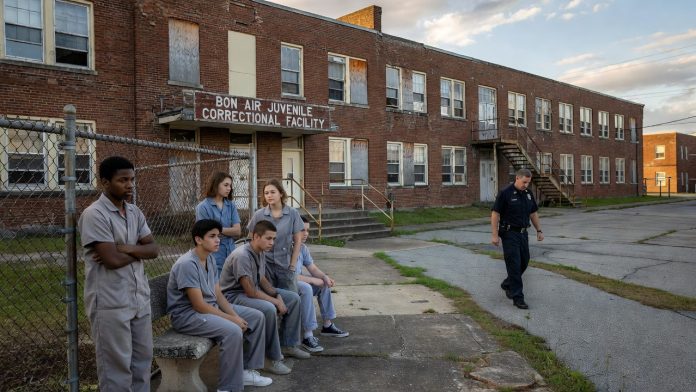
Plans call for expanding capacity at the Bon Air campus while enhancing overall conditions to support better operations. The Oakridge facility is slated for renovation to serve as a dedicated 40-bed standalone site focused on vocational work programs. Four existing standalone cottages on the Bon Air campus will also undergo updates to provide greater flexibility in classifying and housing residents.
Treatment spaces receive priority attention through targeted renovations aimed at improving functionality. These changes seek to shift the focus from pure detention toward structured treatment approaches that align with correctional goals. Such upgrades address long-standing issues that deter potential employees from entering the field.
Vocational Programs Offer Path to Accountability
Vocational initiatives form a key element in the proposed model adjustments at Bon Air. By emphasizing work-based programs, the facility aims to instill discipline and practical skills among residents. This approach reflects conservative principles of personal responsibility and productive engagement over lenient alternatives.
Renovations to support these programs underscore the need for systemic reform rather than superficial fixes. Hiring alone cannot resolve the underlying failures in the current juvenile justice framework. Comprehensive changes must prioritize environments that attract dedicated professionals committed to law and order.
Model Shift Required for Lasting Results
The juvenile justice model at Bon Air demands reevaluation to overcome its documented shortcomings. Treatment-oriented facilities with upgraded infrastructure can foster conditions where staff feel supported in their roles. This evolution aligns with values that emphasize accountability and structured outcomes for young offenders.
Ongoing efforts to improve living and operational spaces represent steps toward a more effective system. Without these alterations, staffing challenges will persist despite recruitment drives. Virginia’s approach to juvenile corrections must evolve to meet these demands head-on.