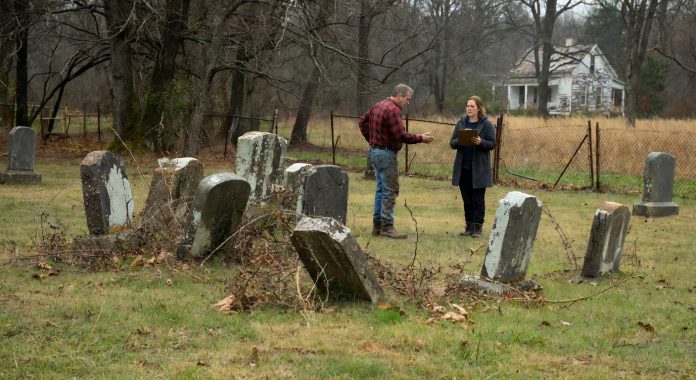
When these sites become overgrown with vegetation, littered with debris, and damaged by weather or neglect, concerned citizens and history enthusiasts find their hands tied. Trespassing on private property remains illegal, safeguarding owners from unauthorized access. Only in cases where the unkempt cemetery poses a clear nuisance—such as diminishing the value of adjacent properties—can local municipalities or neighboring landowners seek a court order to compel maintenance. This limited recourse reflects a balanced system where personal responsibility prevails over bureaucratic mandates.
Property owners bear the duty to care for their land, including any graves it holds. Forcing widespread upkeep through state edicts would open the door to overregulation, potentially burdening small landowners with costs they cannot afford. Instead, solutions should emphasize incentives like tax credits for preservation efforts, allowing market forces and community goodwill to restore these sites without coercive measures.
Virginia’s history is replete with such private cemeteries, many containing graves of veterans, pioneers, and everyday folk who built the nation. Neglect not only erodes headstones but erases stories of resilience and sacrifice. Recent cases underscore the tension. In Richmond, the removal of the A.P. Hill monument—also serving as the Confederate general’s headstone—highlighted conflicts when city actions bypassed cemetery protections under Virginia Code sections like 54.1-2310, which defines a cemetery as land used for human remains interment. Courts ruled it not a public cemetery, prioritizing municipal ordinances.
Another stark example involves a historic Black cemetery in Virginia, paved over for a Microsoft data center expansion despite federal and state safeguards for cultural sites. Such incidents reveal how development pressures clash with preservation, yet private ownership provides a bulwark against arbitrary public takeovers. Conservatives argue for strengthening descendant rights, perhaps through streamlined processes for heirs to claim stewardship without eminent domain threats.
Local control remains key. County boards of supervisors across Virginia, from rural areas like Augusta to urban Henrico, handle nuisance complaints without needing expansive state intervention. This decentralized approach aligns with Republican ideals of community-driven solutions. Preservation groups can partner with owners, offering labor or funding in exchange for access, fostering goodwill over litigation.
Critics of heavy-handed environmental or historical regulations point to these cemeteries as evidence that property rights foster responsibility. When owners neglect sites, it’s often due to absenteeism or economic hardship, not malice. Legislative efforts in the House of Delegates or Senate should focus on education and voluntary programs, not new mandates that could drive up taxes or litigation costs.
Ultimately, Virginia’s private cemeteries embody the rugged individualism that defined the state’s—and America’s—past. Protecting them requires respecting ownership while honoring heritage through practical, non-intrusive means. As development encroaches, lawmakers must ensure laws evolve to balance these interests, preserving both private property and public memory without sacrificing one for the other.
Source: Field reports and eyewitness accounts.