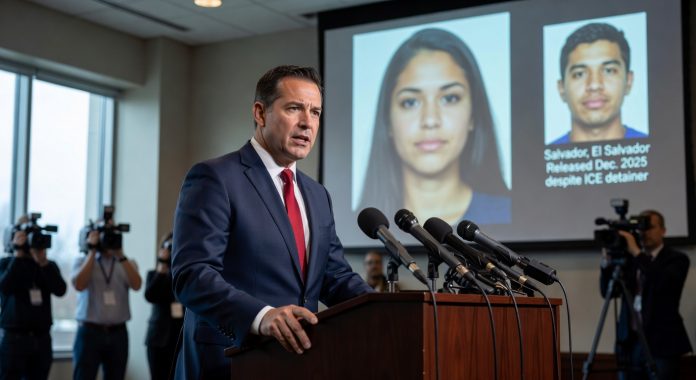
Miyares described a clear pattern of criminal activity associated with individuals released under these policies. He noted that the refusal to cooperate with federal authorities allowed offenders to remain in the community and continue committing crimes. This approach, according to the testimony, directly contributed to harm suffered by local residents.
One victim referenced in the account was a woman named Stephanie, identified as the most recent person affected by the pattern. Miyares explained that the decision by Fairfax officials to ignore the detainer request placed additional members of the public at risk. The testimony emphasized that such releases create ongoing threats rather than resolving them through proper coordination with federal immigration enforcement.
The broader impact described by Miyares centers on the human cost borne by families and individuals in Fairfax County. When local jurisdictions choose not to honor detainers, criminal noncitizens remain free to reoffend, according to the facts presented. This policy choice stands in contrast to the intent of federal law that seeks to remove individuals with criminal records from the country.
Miyares outlined how the specific release of Salvador followed a series of prior offenses. The pattern illustrated repeated failures to transfer custody to ICE when requested. Each instance of non-cooperation extended the time offenders could remain active in the community.
Residents of Fairfax County have faced repeated incidents tied to these decisions. The testimony connected the dots between sanctuary-style practices and increased vulnerability for law-abiding citizens. Stephanie’s case served as a recent example of the consequences that arise when detainers are disregarded.
Federal immigration authorities rely on local cooperation to carry out removal orders efficiently. When that cooperation is withheld, the process breaks down and leaves criminal offenders in place. Miyares stressed that the human toll includes both direct victims and the families impacted by ongoing criminal activity.
The testimony called attention to the need for consistent enforcement of existing laws. By honoring ICE detainers, jurisdictions can prevent additional crimes from occurring. The Salvador case demonstrated how one refusal to cooperate allowed a documented offender to stay in the area.
Community safety depends on alignment between local and federal efforts. The facts presented showed that ignoring detainers disrupts that alignment and produces measurable harm. Miyares used the December 2025 release as a concrete illustration of the policy’s shortcomings.
In closing the account, Miyares noted that proper adherence to detainer requests can prevent tragic outcomes. The refusal in the Salvador matter allowed continued criminal behavior that affected multiple victims. The overall message underscored the direct link between sanctuary policies and the suffering experienced by residents of Fairfax County.