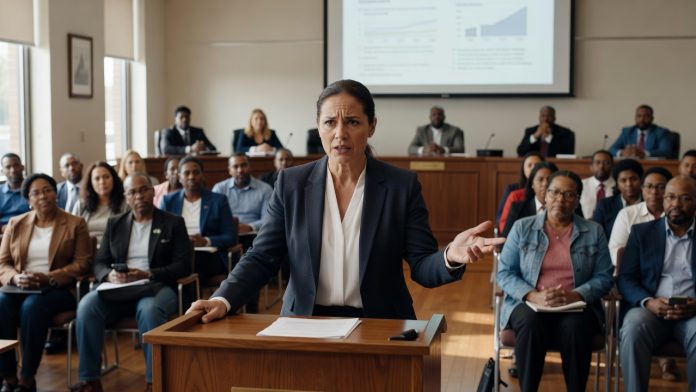
The presentation focused on the need for a true opt-out form that allows families to limit device usage without penalty. Diverse assignments involving screens were noted as a particular point of ongoing concern. The speaker questioned who regulates the amount of screen time assigned to students across different subjects. This approach aligns with conservative values that prioritize parental authority over school mandates in matters of child health.
Health impacts from prolonged screen time include disrupted sleep patterns and reduced physical activity among young learners. The pediatrician urged board members to reconsider current tech policies in favor of more balanced educational methods. Traditional teaching approaches that emphasize face-to-face interaction were implied as preferable alternatives. Such changes would support family-centered decisions and reduce reliance on digital tools in daily lessons.
Community members attending the meeting listened attentively as the speaker outlined the potential crisis. Calls for greater transparency in how technology is implemented echoed broader conservative principles of limited government intervention in education. The discussion reinforced the importance of protecting children’s well-being through responsible policy adjustments. Fairfax County residents expect leaders to address these issues with urgency and respect for local values.
The speaker emphasized that students benefit when parents have clear options to opt out of excessive screen-based work. This opt-out mechanism would empower families to make choices aligned with their moral and health priorities. Ongoing concerns about regulation were raised as a key barrier to effective oversight. Board action on this front could restore confidence in the public school system.
Further points addressed how behavior analysis supports the view that screen overuse affects focus and emotional regulation in children. The pediatrician drew on professional experience to connect these observations to real classroom outcomes. Reconsidering tech policies would allow for more holistic development strategies. Conservative viewpoints stress that education should nurture the whole child rather than prioritize digital efficiency.
The public comment concluded with a strong appeal for the board to prioritize student health above technological trends. Fairfax County families deserve policies that reflect caution and evidence-based caution regarding screen time. This stance promotes accountability and upholds traditional standards of educational excellence. The meeting provided a platform for such voices to influence future decisions.
To Contact Fairfax School Board Members:
All Members – FairfaxCountySchoolBoard@fcps.edu,
Tom Dannan – tfdannan@fcps.edu,
Robyn Lady – ralady1@fcps.edu,
Marcia St. John-Cunning – mstjohncunni@fcps.edu,
Melanie Meren – HunterMillStaff@fcps.edu,
Ricardy Anderson – randerson@fcps.edu,
Mateo Dunne – mdunne@fcps.edu,
Karl Frisch – kfrisch@fcps.edu,
Sandy Anderson – sanderson@fcps.edu,
Seema Dixit – sdixit@fcps.edu,
Kyle McDaniel – kmcdaniel@fcps.edu,
Ryan McElveen – rlmcelveen@fcps.edu,
Ilryong Moon – imoon@fcps.edu,