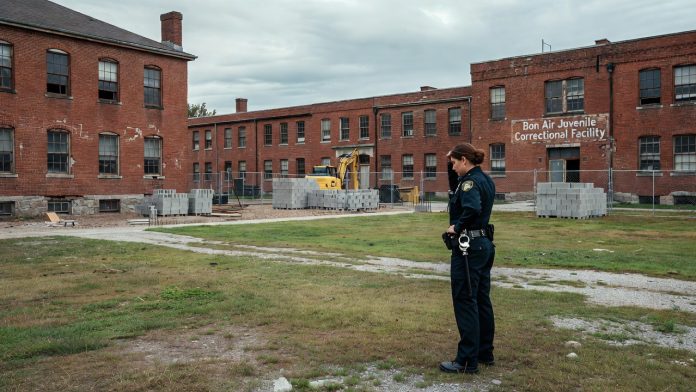
The current approach emphasizes renovating the Bon Air campus to increase capacity and enhance living conditions. Plans include converting the Oakridge facility into a 40-bed standalone site focused on vocational work programs. Four existing cottages on the Bon Air campus are also slated for renovation to provide greater flexibility in classifying and housing residents.
Treatment spaces will receive upgrades as part of broader efforts to modernize the environment. These changes aim to address core issues that contribute to low recruitment and high turnover rates. Without meaningful shifts in compensation and operational structures, the staffing shortages will persist.
A conservative perspective highlights the need for accountability and stronger emphasis on personal responsibility within the juvenile justice system. Relying solely on increased hiring ignores deeper problems such as inadequate pay scales compared to other sectors. True reform requires prioritizing law and order principles alongside practical improvements to working conditions.
Vocational programs represent a step toward preparing residents for productive futures rather than perpetuating cycles of dependency. Conservative values stress the importance of self-reliance and community safety in addressing juvenile corrections. The failing model demands changes that restore discipline and deter future offenses.
Leadership at the department level must focus on competitive compensation to compete with higher-paying opportunities elsewhere. Infrastructure enhancements alone will not suffice without addressing root causes of disinterest in corrections careers. Virginia’s juvenile justice system stands to benefit from policies that reinforce traditional values of accountability and hard work.