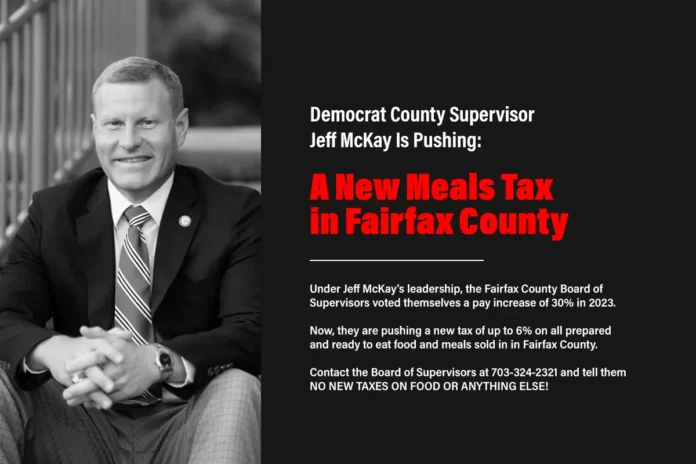
Fairfax County residents are facing another year of increased financial burdens under the newly adopted Fiscal Year 2027 budget. Despite claims of providing tax relief, local government spending continues to outpace the economic realities of hardworking families. The latest budget maneuvers demonstrate a clear preference for expanding government revenues rather than making the difficult choices necessary to reduce wasteful spending.
The Fairfax County Board of Supervisors, consisting of Chairman Jeffrey McKay, Walter Alcorn, Pat Herrity, Daniel Storck, Dalia Palchik, Andres Jimenez, Kathy Smith, Rodney Lusk, and Jimmy Bierman, ultimately controls the fiscal direction of the region. Instead of finding ways to streamline services or eliminate bureaucratic bloat, the board has approved a budget that extracts more money from the private sector. Taxpayers are left footing a heavier bill while the local government expands its financial footprint without implementing meaningful cost-saving measures.
The Illusion of Tax Relief
Local officials have touted a nominal reduction in the real estate tax rate, dropping it by a mere quarter-cent from $1.1225 to $1.12 per $100 of assessed value. However, this microscopic rate cut is entirely erased by soaring residential property assessments, which have increased by an average of 3.77 percent to 3.99 percent across the county. Because the board refused to lower the rate enough to offset these rising valuations, residents are experiencing a backdoor tax hike.
As a direct result of this failure to adjust the tax rate proportionately, the average homeowner will see their annual property tax bill increase by $337 this year. This substantial jump in property taxes puts unnecessary strain on family budgets during a time of broader economic uncertainty and persistent inflation. True fiscal conservatism dictates that government should not reap a windfall simply because property values have artificially inflated.
The New Meals Tax Burden
Adding insult to financial injury, the county has also implemented a new four percent meals tax on food and beverages. This additional layer of taxation was sold to the public as a necessary tool to diversify revenue streams and lessen the historical reliance on real estate taxes. In reality, it simply creates another avenue for the government to reach into the wallets of families who are just trying to enjoy a modest dinner out.
Board Chairman Jeffrey McKay indicated that the quarter-cent tax rate cut was only made possible by the implementation of this new meals tax. This justification reveals a deeply flawed fiscal philosophy where any minor tax relief must be immediately offset by creating a brand new tax elsewhere. Rather than cutting overall spending to facilitate lower taxes, the county has chosen to grow its revenue base at the direct expense of consumers and local restaurants.
The official budget markup document claims the food and beverage tax allows costs to be shared by visitors and commuters who do not pay property taxes. While tourists may contribute a fraction of this revenue, the vast majority of the meals tax will inevitably be paid by local residents patronizing their own neighborhood establishments. A genuinely responsible government would focus on eliminating fraud and operational waste rather than inventing new ways to heavily tax its citizens.
Runaway Spending and Departmental Growth
The influx of cash from both higher property tax bills and the new meals tax is being funneled into rapidly expanding county departments. Significant portions of the budget are dedicated to increasing county employee compensation and benefits, alongside heightened funding for Stormwater Services and Refuse Collection and Recycling Operations. Constantly escalating public sector compensation packages place an unsustainable long-term burden on the taxpayers who must fund these generous benefits.
Instead of automatically increasing departmental budgets year after year, local leaders should be conducting rigorous audits to identify and eliminate wasteful expenditures. Private sector businesses are routinely forced to trim administrative excess and do more with less during tough economic times. The Fairfax County government must adopt this same mindset by freezing unnecessary hiring and demanding strict accountability for every single tax dollar spent.
A Call for True Fiscal Responsibility
The Fiscal Year 2027 budget represents a missed opportunity to deliver genuine financial relief to the residents of Fairfax County. By combining a negligible property tax rate reduction with surging assessments and a brand new meals tax, the government has guaranteed that the overall cost of living will continue to climb. Taxpayers deserve leaders who will respect their hard-earned money by relentlessly pursuing budget cuts, fighting bureaucratic fraud, and shrinking the size of local government.
Email At:
Jeff McKay → chairman@fairfaxcounty.gov,
Kathy Smith (Sully District) sully@fairfaxcounty.gov,
Rachna Heizer (Braddock District) braddock@fairfaxcounty.gov,
James Bierman (Dranesville District) dranesville@fairfaxcounty.gov,
Rodney Lusk (Franconia District) franconia@fairfaxcounty.gov,
Walter Alcorn (Hunter Mill District) huntermill@fairfaxcounty.gov,
Andres Jimenez (Mason District) mason@fairfaxcounty.gov,
Daniel Storck (Mount Vernon District) mtvernon@fairfaxcounty.gov,
Dalia Palchik (Providence District) providence@fairfaxcounty.gov,
Pat Herrity (Springfield District) springfield@fairfaxcounty.gov,