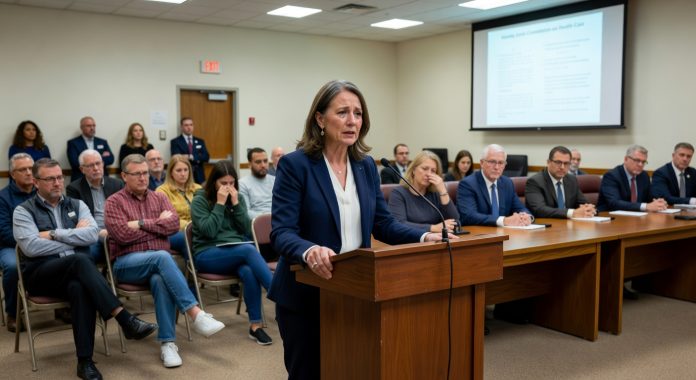
Significant concerns are being raised regarding recent legislative moves in Virginia. Senate Bill 690, patroned by Senator Kannan Srinivasan, has effectively repealed the Model Addiction Recovery Program, a vital initiative implemented by the Department of Criminal Justice Services. This development stems from the enactment of fourteen Joint Commission on Health Care recommended bills in 2026. Among these measures, House Bill 454 and its companion Senate Bill 690 stand out for directly repealing the Department of Criminal Justice Services model addiction recovery program.
The legislation forms part of a broader effort to overhaul jail-based substance abuse treatment programs across the state. The bills address multiple aspects of these programs, including requirements for grant applicants to demonstrate independent financial viability within specified timeframes. Additional measures require the development of agency guidelines for hiring peer recovery specialists with previous criminal convictions, subject to certain restrictions. Further provisions seek to amend regulations to clarify that patient refusal for psychosocial counseling does not preclude access to medication-assisted treatment options.
These changes come as part of ongoing adjustments to how substance abuse treatment is delivered in correctional settings. The repeal of the model program removes a structured approach previously used by the Department of Criminal Justice Services to guide recovery efforts. Lawmakers advanced the package through the regular legislative process in the Virginia Senate and House of Delegates during the 2026 session.
Observers note that the repeal targets a program designed to support individuals in jails with addiction challenges. Without the model framework, local facilities may need to adapt their approaches independently. The accompanying bills emphasize financial planning and guidelines for specialist hiring to maintain program effectiveness.
The legislative action consolidates funding mechanisms for jails to address substance abuse treatment needs. This includes budget amendments that redirect resources toward integrated services. The overall package aims to streamline operations while maintaining core treatment access points.
Details from the enacted bills show a focus on ensuring programs remain operational despite the removal of the prior model. Grant requirements now stress self-sustainability, and hiring rules incorporate flexibility for those with prior convictions. Regulatory clarifications protect patient rights regarding counseling participation.
The process originated in recommendations from the Joint Commission on Health Care, leading to the passage of all fourteen measures. Senate Bill 690 specifically eliminates the established model recovery program structure. This shift represents a significant alteration in the state’s approach to jail-based interventions for substance abuse.
State officials have moved forward with implementation following the 2026 enactments. The changes affect how recovery services are coordinated between the Department of Criminal Justice Services and local correctional agencies. Emphasis has been placed on new guidelines to fill gaps left by the repealed model.
The broader context involves multiple companion bills that refine grant processes and specialist qualifications. These adjustments seek to balance program viability with expanded access to treatment modalities. Funding allocations support jails in transitioning to the updated framework.
Concerns center on the potential impact to individuals relying on structured recovery support within the justice system. The repeal removes a standardized model that had guided operations statewide. Lawmakers addressed this through targeted provisions in related legislation to sustain essential services.
The package of bills reflects a comprehensive review of substance abuse treatment in correctional environments. By repealing the model program while enacting supporting requirements, the legislation seeks to modernize delivery methods. Continued monitoring will determine long-term effects on recovery outcomes.
Additional elements include clarifications on counseling access and peer specialist hiring criteria. These provisions accompany the main repeal to ensure continuity in treatment availability. The 2026 enactments mark a pivotal update to Virginia’s jail-based addiction support system.
Overall, the legislative moves consolidate efforts to address substance abuse through refined funding and operational standards. Senate Bill 690’s repeal of the model program stands as a central component of this overhaul. Stakeholders continue to assess how these changes influence program effectiveness across facilities.