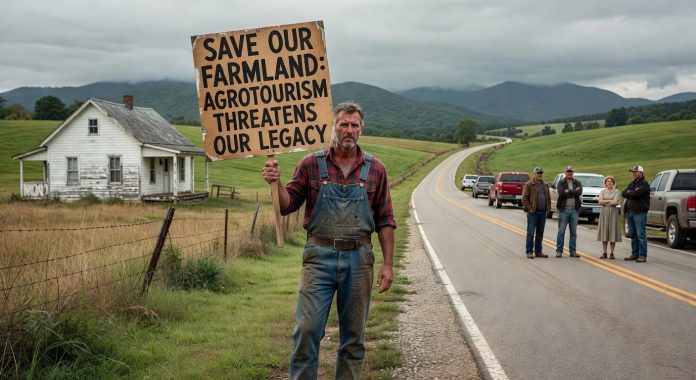
Rockland Farm, located in the heart of western Loudoun, represents a piece of Virginia’s agricultural history dating back over two centuries. The Devlin family, connected through kin like Elizabeth Devlin, has maintained the property amid various regional developments, including past disputes over nearby White’s Ferry access. Devlin started the farm operation in 2020 and quickly became active in networks of experienced local farmers dedicated to sustaining rural land. These efforts highlight the difficulties in preserving farmland against encroaching non-agricultural uses.
Agrotourism, encompassing farm stays, events, weddings, and visitor experiences, has proliferated in Loudoun County, particularly in its western districts. While proponents argue it provides supplemental income for struggling farms, critics like Devlin contend it introduces urban-style commercialization that erodes the rural fabric. Heavy traffic, noise from gatherings, and infrastructure demands associated with these activities strain the land originally zoned for quiet agricultural pursuits. Devlin points to what he sees as unfair practices by some residents and operators who subvert the needs of working farmers under the guise of zoning allowances in the Western Loudoun area.
This tension reflects broader conservative values of protecting family-owned land, self-reliance, and heritage against progressive pushes for economic diversification that often prioritize tourism revenue over food production. Loudoun, once known primarily for dairy and crops, now hosts numerous wineries and event venues that draw crowds from the nearby Washington D.C. metro area. Such growth risks turning productive farmland into entertainment zones, making it harder for multi-generational operations like Rockland Farm to compete or expand.
Devlin’s warning underscores the importance of strict zoning enforcement to prioritize bona fide farming. Western Loudoun’s rural policies aim to shield agriculture from suburban sprawl, but loopholes allowing agrotourism as an accessory use have led to abuses. Families like the Devlins, who have endured economic pressures from development and past legal battles over property rights, now face a new front where ‘farm’ branding masks non-farm activities. This not only devalues true ag land but also drives up property taxes and operational costs for legacy farmers.
Supporters of limited government intervention argue that overregulation stifles farmers’ ability to adapt, but Devlin’s perspective aligns with those who see agrotourism as a Trojan horse for urbanization. In a county experiencing explosive growth from data centers in the east, preserving the west as a breadbasket is crucial for food security and Virginia’s rural identity. Local farmers networks, in which Devlin participates, advocate for clearer definitions of agricultural use to prevent dilution.
The stakes are high: without vigilance, western Loudoun could lose its agricultural soul to visitor-driven enterprises. Devlin’s call serves as a rallying cry for policymakers to reaffirm commitments to generational farmers over short-term tourist booms. Protecting these lands ensures Virginia’s breadbasket endures for future generations, upholding principles of property stewardship and limited interference that define conservative rural ethos.
As debates continue, Rockland Farm stands as a testament to resilience. Devlin’s active role since 2020 demonstrates dedication amid adversity, urging a return to agriculture-centered land use. This fight is not just local but emblematic of nationwide struggles where rural America pushes back against forces reshaping its landscape.
Source: Field reports and eyewitness accounts.