
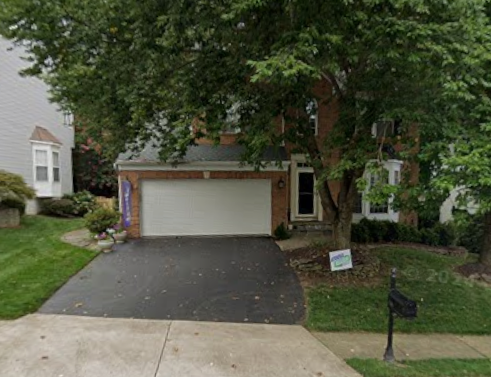
In the heart of Virginia’s Loudoun County, a heated discussion on housing policy is unfolding at the Board of Supervisors, highlighting the tension between rapid growth and preserving the suburban charm that has long defined this affluent area. During a recent Board of Supervisors meeting, Algonkian District Supervisor Juli Briskman, a Democrat, advocated strongly for shifting away from traditional single-family homes toward denser developments like townhomes and apartments to tackle affordability issues. Briskman argued that the county’s explosive population growth, fueled by the booming data center industry generating over $1.2 billion in annual revenue, demands more compact housing options to make homeownership accessible for working families. However, critics point out the irony: Briskman herself resides in a spacious single-family home in the Algonkian District, raising questions about whether leaders are practicing what they preach.
Republicans on the board argue that forcing denser housing could erode the low-density zoning that protects green spaces, reduces traffic congestion, and maintains the family-friendly neighborhoods that attract residents to Loudoun in the first place. Instead of mandating high-density builds, they advocate for market-driven solutions, such as tax incentives for developers to build affordable units without overhauling zoning laws that have served the county well.
The Board of Supervisors, which oversees these critical decisions, consists of nine members representing various districts in Loudoun County. The current lineup includes: Chair At-Large Phyllis Randall (Democrat), who leads the board; Vice Chair and Ashburn District Supervisor Michael R. Turner (Democrat); Algonkian District Supervisor Juli Briskman (Democrat); Broad Run District Supervisor Sylvia Glass (Democrat); Catoctin District Supervisor Caleb A. Kershner (Republican); Dulles District Supervisor Matthew Letourneau (Republican); Leesburg District Supervisor Kristen Umstattd (Democrat); Little River District Supervisor Laura TeKrony (Democrat); and Sterling District Supervisor Koran Saines (Democrat). With a Democratic majority, policies leaning toward progressive changes like increased density have gained traction, but Republican members Kershner and Letourneau have been vocal in pushing back, emphasizing fiscal responsibility and community preservation.
This debate isn’t just theoretical; it’s about the future character of Loudoun. Data centers, while lucrative, have led to concerns over energy consumption, noise pollution, and the displacement of farmland. Such interventions smack of government overreach. Why not let the free market respond to demand? Tax breaks for single-family developments or streamlined permitting for suburban expansions could address affordability without sacrificing the American Dream of a home with a yard. Critics argue that denser housing often leads to overcrowded schools, strained public services, and a loss of the rural-suburban balance that makes Loudoun desirable.
As the 2027 elections approach, this issue could sway voters tired of top-down mandates. Republican efforts, like those from the Loudoun County Republican Committee, aim to rally support for policies that protect property rights and prevent Loudoun from becoming another overbuilt urban sprawl. If Briskman’s vision prevails, it might solve short-term affordability but at the cost of long-term livability. Residents deserve leaders who live by the standards they impose on others, not hypocrites pushing policies from their own detached homes.
NEWSLETTER SIGNUP
Subscribe to our newsletter! Get updates on all the latest news in Virginia.