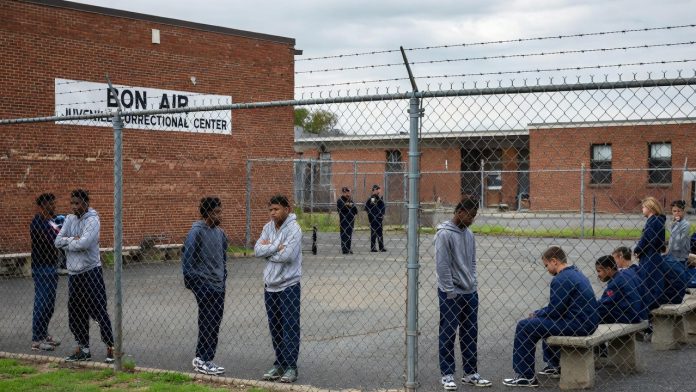
These figures highlight how a small number of serious cases like those at Bon Air stand out within a much larger framework of juvenile intakes and placements. The 173 committed youth admissions include individuals facing significant charges such as murder. Questions arise about the potential for rehabilitation when youth receive sentences that extend into adulthood. The Department of Juvenile Justice tracks these populations to inform policy decisions on facility operations and program effectiveness.
Bon Air serves as a key location for housing youth convicted of serious crimes including the 29 cases involving murder. Staff at the center implement various programs aimed at addressing behavioral and educational needs. The broader system processed 39,882 intake complaints which led to the smaller subset of commitments. This structure allows for focused resources on high-risk individuals while managing the majority through less restrictive measures.
Rehabilitation efforts at facilities like Bon Air face scrutiny when long sentences are involved. The 173 committed admissions include youth who may transition to adult facilities upon reaching certain ages. Data indicates that committed youth make up a minimal portion of the 39,882 total complaints handled annually. This distribution underscores the targeted nature of secure placements for the most serious offenses.
Policy discussions center on balancing public safety with opportunities for youth development in cases like the 29 murder-related placements. The Department of Juvenile Justice reports show consistent patterns in detainment and probation numbers year over year. Bon Air remains a specialized setting for these complex cases within the state system. Continued monitoring of outcomes helps evaluate the impact of current approaches.