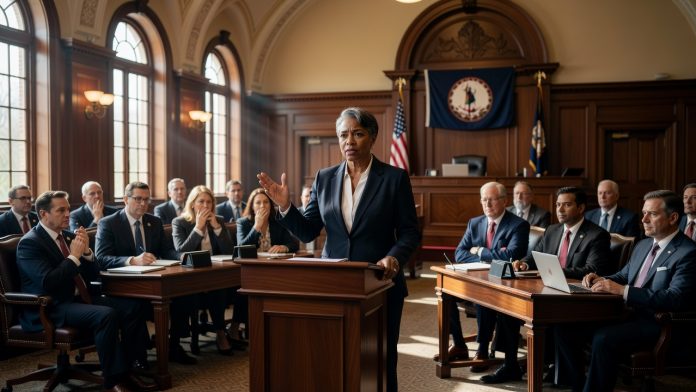
The proposal highlights ongoing debates about efficiency versus accountability in state procurement practices. In traditional RFP systems, multiple vendors submit detailed bids that are reviewed publicly to ensure the best value for taxpayers. Bypassing this step could limit opportunities for broader participation from qualified artists across the commonwealth. Observers noted that the motion was presented in a setting with several elected officials and citizen members present, including P. Williams.
Fiscal responsibility remains a core value in conservative thought, and competitive bidding serves as a safeguard against favoritism or inflated costs. Without the RFP process, there is less assurance that the selected artist represents the most economical or qualified choice. This could lead to perceptions of insider dealings that erode public trust in state institutions. Virginia lawmakers have historically emphasized the need for transparent processes in all government expenditures, including those related to cultural projects.
The Implications for Government Oversight
Virginia state procedures typically require formal bidding for contracts to promote fairness and prevent waste of public resources. McQuinn’s motion to move directly to selection without bids challenges this established framework. Proponents claimed it would expedite the portrait commission, yet opponents pointed to the risks of reduced competition. Such shortcuts have drawn scrutiny in other state-level decisions involving public art and contracts.
Conservative principles stress the importance of limited government intervention and maximum accountability in spending decisions. Bypassing bids may appear convenient in the short term but could set a precedent for future exceptions that undermine taxpayer protections. The presence of multiple board members during the discussion underscored the formal nature of the proceeding. Public records from similar Virginia meetings show that RFP processes have consistently yielded diverse and cost-effective options for artistic services.
Broader Effects on Public Trust and Policy
This proposal occurs at a time when citizens demand greater transparency from elected officials on all matters of state business. The decision to forgo standard bidding could influence how other portrait or cultural projects are handled in the future. Conservative voices advocate for maintaining rigorous standards to ensure every dollar spent serves the public interest effectively. Discussions in the meeting room reflected divided opinions among participants regarding the motion’s merits.
Ultimately, adherence to competitive processes reinforces the moral foundation of equitable governance. Virginia residents expect their representatives to uphold these standards without exception. The motion by McQuinn continues to spark conversations about balancing speed with integrity in government art selections. Further review of state procurement guidelines may be warranted to clarify boundaries for such proposals.