
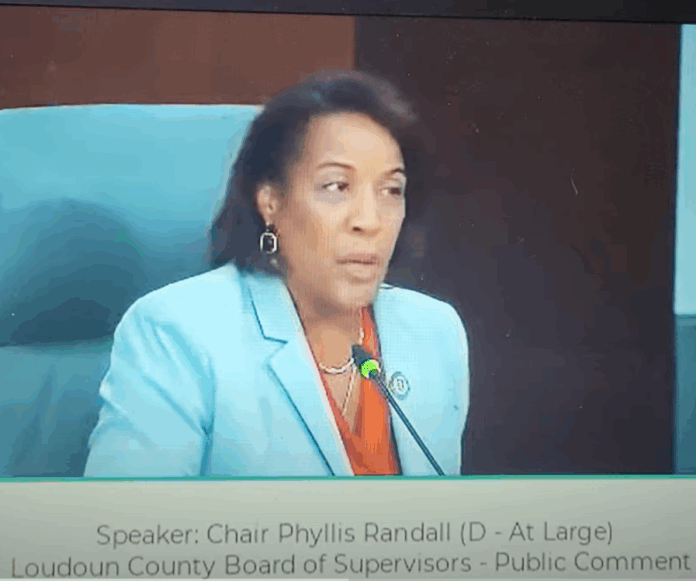
In the affluent suburbs of Northern Virginia, where Loudoun County has long been a beacon of economic growth and opportunity, a contentious debate is unfolding over proposals to implement rent stabilization measures. At the heart of this issue is Democratic Board of Supervisors Chair Phyllis Randall, who has been vocal in advocating for caps on rent increases to address what she describes as unsustainable housing costs. During a December 2025 meeting with the county’s state legislative delegation, Randall urged residents to lobby Virginia lawmakers for legislation that would grant local governments the authority to impose rent controls. This push comes amid reports of a staggering 43% rise in average rents in Loudoun County, from $1,618 per month in 2020 to $2,310 in 2025, a figure Randall cited as evidence of “price gouging” by landlords and realtors.
Randall’s comments during the meeting highlighted her frustration with opposition from property owners and real estate professionals, whom she accused of prioritizing profits over community welfare. “Landlords and realtors will come out in force against this,” she stated, emphasizing the need for constituents to counteract their influence by contacting delegates and senators. Proponents of the measure argue that such caps would provide immediate relief to working families struggling with inflation and high living expenses in one of the nation’s wealthiest counties. Loudoun, home to data centers and tech hubs, has seen rapid population growth, but this boom has also driven up housing demand, exacerbating affordability challenges for middle-class residents, teachers, and first responders.
However, from a perspective that values free-market principles and limited government intervention—hallmarks of Republican policy—Randall’s proposal raises serious red flags. Critics, including some Republican supervisors like Matt Letourneau, warn that rent stabilization could stifle new housing development and ultimately harm the very people it aims to help. Letourneau, during a November 2025 Board of Supervisors meeting, expressed concerns that capping rents might discourage investors from building additional units, leading to a reduced supply of rental properties over time. This viewpoint is supported by empirical evidence from across the country, where similar policies have backfired.
A landmark 2019 study by Stanford University economists on San Francisco’s rent control expansion provides a cautionary tale. The research found that while protected tenants benefited from lower rents in the short term, the policy led to a 15% reduction in rental housing supply as landlords converted units to condos or withdrew from the market. Citywide rents actually increased by 5.1% as a result, pricing out newcomers and worsening overall affordability. A 2024 meta-analysis published by the Cato Institute, reviewing dozens of studies, concluded that rent controls consistently result in lower housing supply, reduced new construction, and diminished property maintenance. “The vast majority of studies find that rent control leads to a lower supply of rental accommodation and less new rental housing,” the report stated, echoing concerns that such measures distort market incentives.
In Virginia, where state law currently prohibits local governments from enacting rent controls without explicit legislative approval—due to the Dillon Rule—this push represents a potential shift toward more progressive, interventionist policies. Bills like HB 721 in the 2025 session aimed to allow anti-rent gouging measures, but they faced opposition from real estate groups and conservatives who argue that government mandates erode property rights. Instead of caps, Republicans advocate for solutions like streamlining zoning regulations, offering tax incentives for developers to build affordable units, and promoting economic growth to increase wages. Loudoun’s own efforts, such as increasing funding for affordable housing from half a penny to one full penny per $100 of assessed value in the FY26 budget, demonstrate that targeted investments can address needs without broad market distortions.
The debate intensified in late 2025 as Loudoun supervisors prepared their legislative priorities, with Randall’s call for rent caps drawing sharp divides. While Democrats see it as a necessary step to combat inequality, Republicans view it as a slippery slope toward policies that have failed in cities like New York and Los Angeles, where rent controls have been linked to housing shortages and urban decay. As Virginia’s General Assembly convenes in 2026, the outcome could set precedents for other localities. For now, Loudoun residents are caught in the crossfire, weighing the promise of short-term relief against the risks of long-term economic stagnation. In a county built on innovation and entrepreneurship, many argue that preserving market freedoms is key to sustaining prosperity for all.
To watch the original discussion, visit: https://x.com/LoudounGOP/status/2009224622701445207
NEWSLETTER SIGNUP
Subscribe to our newsletter! Get updates on all the latest news in Virginia.