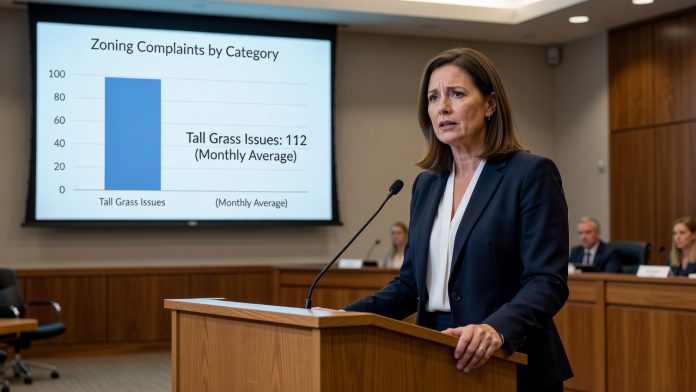
The discussion centered on the frequency of zoning-related complaints received each month. Officials noted that the number varies significantly depending on the season. Complaints about tall grass often reach more than 100 in a single month during peak periods. This seasonal fluctuation raises questions about whether a dedicated call center would provide consistent benefits year-round.
Briskman pointed out that many complaints stem from specific local conditions in the Rural Policy Area. These issues include matters that appear tied to particular times of the year. The supervisor suggested that the proposed call center might not streamline responses as intended. Instead it could add unnecessary layers to an already functioning process.
Fiscal Responsibility in Local Government
Conservative principles emphasize careful stewardship of taxpayer resources in all levels of administration. Introducing new bureaucratic structures like a zoning call center requires strong justification based on clear results. In this case the existing complaint volume about tall grass does not demonstrate a need for expanded infrastructure. Leaders should prioritize solutions that reduce costs rather than increase them through additional systems.
The proposal comes at a time when residents expect government to operate with maximum efficiency. Adding staff and resources for a call center could strain budgets without resolving core issues. Juli Briskman rightly questioned whether this approach aligns with values of limited government intervention. True progress comes from streamlining existing operations instead of creating new ones.
Seasonal variations in complaints further underscore the inefficiency of a permanent call center. During certain months the demand spikes due to factors like weddings and other events. This pattern indicates that targeted enforcement during peak times would serve residents better than a full-time dedicated center. Such targeted measures reflect practical conservative governance that avoids wasteful spending.
Community Impact and Practical Solutions
Residents in Loudoun County deserve responsive local government that addresses real concerns without unnecessary expansion. Tall grass complaints represent a common issue that existing staff can manage through current channels. The proposed call center risks diverting attention from direct action on these matters. Briskman’s inquiry encourages focus on proven methods that maintain community standards effectively.
Conservative values support holding government accountable for delivering results at the lowest possible cost. The data shared in the meeting showed that complaint numbers do not consistently demand a new system. Seasonal factors like those in the Rural Policy Area highlight the need for flexible responses rather than fixed expansions. This approach protects taxpayer dollars while ensuring neighborhoods remain well maintained.
Moving forward the board should explore alternatives that enhance efficiency without new infrastructure. Juli Briskman’s comments serve as a reminder that government growth must always be weighed against its actual benefits. In Loudoun County this means prioritizing solutions that respect fiscal limits and community needs alike. Effective leadership avoids creating problems where none exist in the pursuit of innovation.