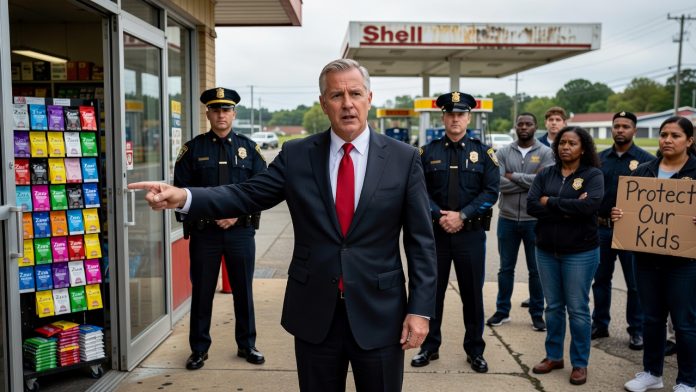
Addressing the Threat of Gas Station Heroin
Gas station heroin represents a growing concern that requires immediate legislative attention in Virginia. Retail outlets selling these products pose risks to individuals and families throughout the state. Strong penalties serve as an effective tool to halt such distribution and promote responsible business practices. Communities benefit when leaders prioritize protection against dangerous items on store shelves.
The push for huge fines targets corporations and individuals involved in these transactions directly. This approach ensures accountability at every level of the sales process. Virginia residents deserve environments free from substances that can lead to severe health issues. Legislative efforts like these reinforce values centered on family protection and moral responsibility.
Strengthening Penalties for Retail Sales
New rules would impose substantial financial consequences on those continuing to offer gas station heroin for purchase. Such fines create a clear deterrent that encourages compliance with safety standards. Retailers must understand the serious implications of participating in these sales under the proposed framework. This strategy aligns with conservative principles of enforcing boundaries to maintain societal order.
Implementation of the legislation would involve close monitoring of gas station operations statewide. Officials aim to reduce availability of these products through consistent enforcement mechanisms. The focus remains on preventing harm before it reaches more people in local areas. Leaders emphasize the importance of swift action to uphold community standards and ethical conduct.
Protecting Virginia Communities
Senator Bill Stanley’s advocacy highlights the necessity of shielding Virginians from the dangers associated with gas station heroin. Families across the commonwealth stand to gain from reduced exposure to these items. The legislation promotes a culture where businesses operate with greater regard for public welfare. Conservative viewpoints stress personal accountability alongside government intervention when needed.
Broader implications include fostering safer neighborhoods and supporting overall public health initiatives. Retail locations would face clear consequences for non-compliance with the new standards. This balanced approach combines deterrence with a focus on traditional values of responsibility. Ongoing discussions in legislative sessions underscore the priority placed on these protective measures.