
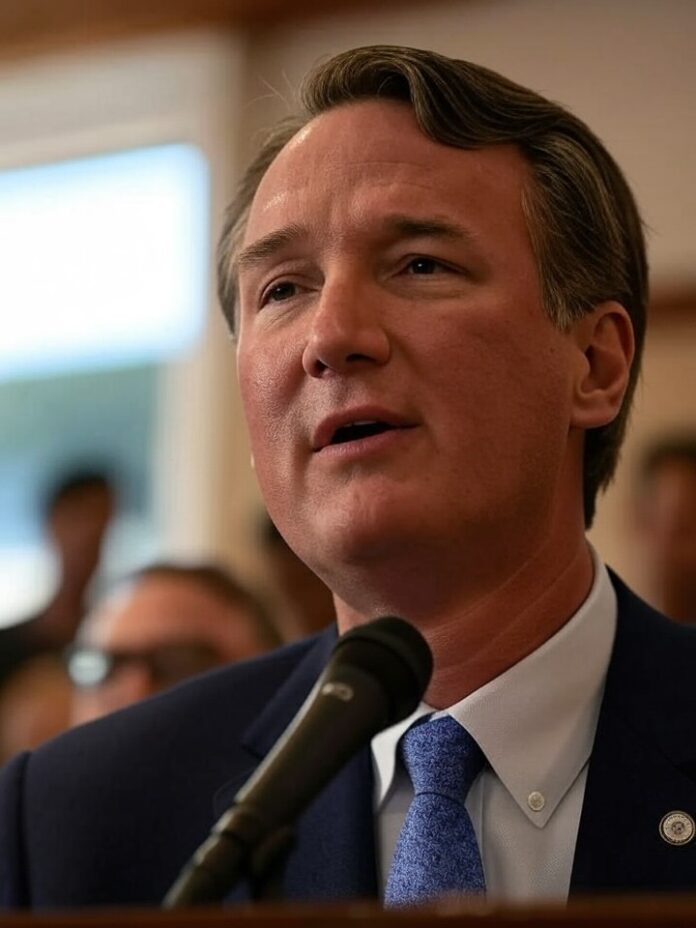
Youngkin’s administration has delivered tangible results in slashing bureaucratic red tape. On his first day in office in January 2022, he issued an executive order establishing the Office of Regulatory Management, committing to a 25 percent reduction in regulations. By July 2025, the state had exceeded that goal, cutting 26.8 percent of regulations and returning $1.2 billion annually to the pockets of Virginia families and businesses. Progress accelerated further; by November 2025, streamlining efforts surpassed 35 percent, yielding $1.4 billion in yearly savings from reduced bureaucracy.
These cuts have had real-world impacts. The cost of constructing a new home dropped by $24,000, making housing more affordable amid national shortages. Requirements for licensed professionals to launch careers eased, spurring job creation and economic mobility. In December 2025, Youngkin highlighted how these reforms lowered the overall cost of government, positioning Virginia as a magnet for investment. Executive Order 51, leveraging artificial intelligence, propelled additional deregulatory wins, ensuring efficiency without compromising safety.
Virginia’s transformation under Youngkin stands in stark contrast to prior years. The state climbed business rankings, attracting major employers drawn to its competitive environment. Savings from deregulation directly benefit taxpayers, freeing resources for education, infrastructure, and family priorities. Youngkin’s vision aligns with conservative principles: government should enable prosperity, not stifle it.
Yet, threats loom from the Democratic-controlled General Assembly. Proposals like a 12-week paid family and medical leave mandate, advanced in the House of Delegates, risk imposing new burdens on employers. Tax increase plans, criticized in recent Washington Times commentary, could drive businesses away, echoing warnings about an exodus to lower-tax states. Congressman Abigail Spanberger’s ideas for hikes have drawn fire for potentially unraveling Youngkin’s gains.
House Speaker Don Scott and Democratic leaders prioritize expansions that critics argue prioritize big government over growth. Such policies, they say, dropped Virginia from its top CNBC business ranking post-Youngkin, though Republicans counter that deregulation rebuilt that edge. With gubernatorial succession on the horizon, Youngkin’s plea underscores the stakes: will Virginia double down on unleashing opportunity or succumb to regulatory relapse?
Supporters rally behind Youngkin’s model, proven to foster jobs and affordability. The governor’s office reports ongoing reductions keep Virginia competitive nationally. As one official post noted, ‘We’ve now streamlined by over 35 percent—delivering real ongoing results to keep Virginia more affordable.’
Youngkin’s tenure exemplifies effective governance: bold action yielding measurable prosperity. Preserving this legacy demands vigilance against reversals that could squander hard-won progress. Virginia’s future hinges on leaders who champion deregulation as the engine of opportunity.
Video link: https://video.twimg.com/amplify_video/2021085238311505922/vid/avc1/320×568/q1K-TGcR8_7a5c_8.mp4?tag=14
(Word count: 728)
Source: Field reports and eyewitness accounts.
NEWSLETTER SIGNUP
Subscribe to our newsletter! Get updates on all the latest news in Virginia.