
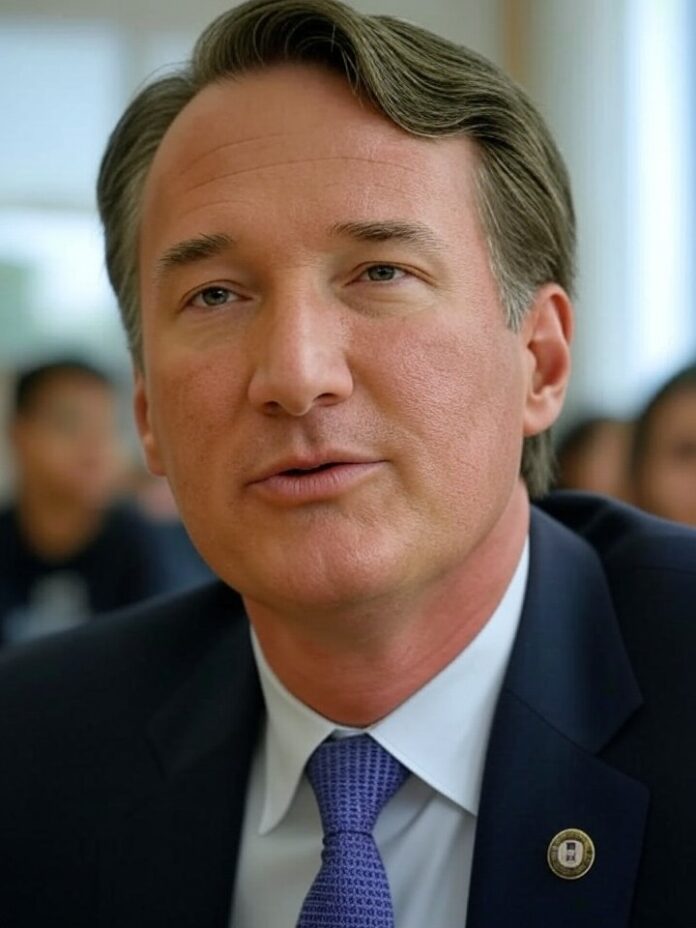
Youngkin cited three primary concerns driving the ban: a noticeable academic decline linked to constant digital distractions, escalating mental health challenges among youth exacerbated by social media, and pervasive disruptions in learning environments. Implemented across K-12 schools, the measure has garnered strong support from parents, teachers, students, and administrators who have long advocated for phone-free classrooms.
Early data emerging from districts implementing the ban, including in Loudoun County, one of Virginia’s fastest-growing and education-focused areas, indicate significant improvements. Test scores are trending upward, with reports of higher engagement and better retention of material. Behavioral incidents have decreased, fostering safer and more conducive learning atmospheres. Educators note fewer interruptions, allowing for deeper instruction and student participation.
In Loudoun County, where the Republican Committee has actively promoted the policy’s benefits, parents report their children achieving honor roll status this year for the first time, attributing it directly to reduced screen time. The ban aligns with Youngkin’s broader agenda to prioritize core education over technological intrusions, echoing sentiments from school leaders who witnessed firsthand the detrimental effects of cell phones.
The School Board, with new members sworn in earlier this month, continues to adapt policies in line with state directives.
This initiative marks a return to basics, emphasizing personal responsibility and undivided attention in education. As Virginia leads on this front, other states watch closely, recognizing the empirical evidence mounting in favor of such restrictions. Youngkin’s leadership exemplifies practical governance, putting children’s futures first against the tide of digital overreach.
Watch the video via the X post by the author: https://x.com/LoudounGOP/status/2017100556594991380
NEWSLETTER SIGNUP
Subscribe to our newsletter! Get updates on all the latest news in Virginia.