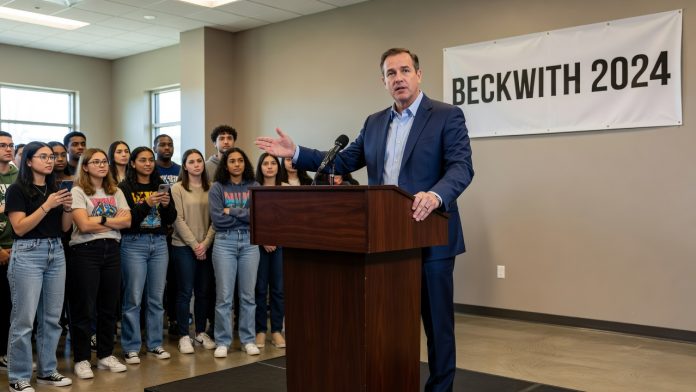
The proposal emphasizes allowing individuals to retain a larger share of their earnings. Gen Z members often encounter difficulties in managing payments and accumulating savings. Under the plan they would have greater resources to address personal financial obligations.
Beckwith connects the tax structure to broader economic principles of enterprise capitalism. The system encourages personal initiative and growth opportunities. Such reforms seek to revive opportunities traditionally associated with the American Dream.
Details of the Tax Reform Proposal
The flat rate applies uniformly across income levels in the proposed framework. This simplicity reduces complexity in the current tax system. Gen Z stands to benefit directly from increased take-home pay.
Supporters highlight how the change promotes self-reliance among younger workers. They note that lower taxes enable better planning for education and homeownership. The candidate positions this as a direct response to economic pressures on the generation.
Implementation would involve legislative efforts at the federal level. Beckwith has presented the idea in discussions with media outlets. The focus remains on practical outcomes for everyday Americans.
Impact on Generation Z Financial Futures
Gen Z faces unique hurdles in entering the workforce and establishing independence. The proposed rate adjustment provides tools for overcoming these barriers. Retention of earnings supports long-term wealth building.
Enterprise capitalism forms a core element of the vision. It fosters environments where innovation and hard work yield rewards. Beckwith argues this aligns with historical American values of opportunity.
Younger voters may see tangible improvements in affordability. Reduced tax burdens could ease entry into housing markets. Overall the plan targets restoration of economic mobility.