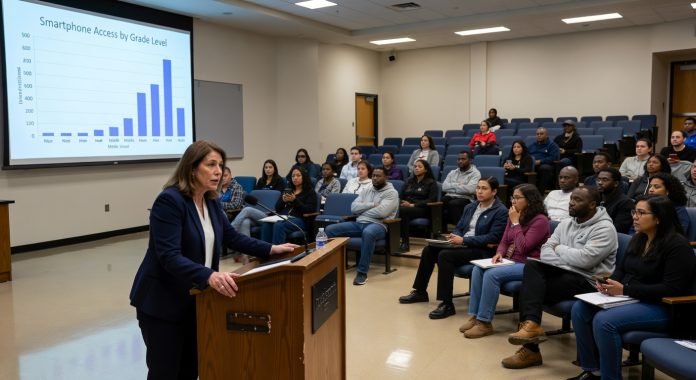
Cell phone use among preteens fosters addiction akin to substance abuse, rewiring young brains and leading to compulsive checking and screen dependency. Behavioral issues escalate, with children exhibiting aggression, reduced resilience, and diminished motivation. Cyberbullying proliferates on social platforms, exposing kids to relentless harassment that no child should endure. Sleep suffers as blue light from screens suppresses melatonin, resulting in chronic fatigue that hampers growth and learning. Mental health crises surge, marked by heightened anxiety, sadness, depression, and even suicidal ideation, particularly among girls who face disproportionate harms.
Studies involving over 27,000 individuals reveal that those receiving smartphones at younger ages report lower self-worth and more emotional turmoil as adults. Another analysis of over 100,000 young adults links phones before age 13 to elevated depression rates and severe suicidal thoughts—nearly half of girls with devices by ages 5 or 6 compared to 28 percent who waited until 13 or later. By age 8, half of children already own phones, logging 4 to 5 hours daily by age 12, fueling identity confusion and social isolation. These aren’t abstract concerns; they represent a deliberate assault by Big Tech on our children’s innocence, prioritizing profits over protection.
Fairfax County Public Schools, through its School Board comprising Chair Sandy Anderson of the Springfield District, Ricardy Anderson of the Mason District, Karl Frisch of the Providence District, Melanie Meren of the Hunter Mill District, Robyn Lady as Vice Chair of the Dranesville District, Seema Dixit of the Sully District, Tom Dannan, Marcia St. John-Cunning, Mateo Dunne, Kyle McDaniel, Ryan McElveen, and Ilryong Moon, has spotlighted these risks in recent work sessions. The ‘Wait Until 8th’ pledge encourages parents to hold off on smartphones until after 8th grade, fostering real-world interactions, outdoor play, and family bonds that build character and self-reliance—hallmarks of conservative upbringing.
Schools implementing phone restrictions during the day witness long-term mental health improvements without test score declines, proving that reclaiming classrooms from digital distractions enhances focus and academic performance. This voluntary approach respects parental authority, avoiding government overreach while empowering families to resist corporate manipulation. In an era where radical ideologies infiltrate education, such initiatives reaffirm local control and timeless values: protect kids from predators online, nurture face-to-face relationships, and ensure technology serves rather than enslaves.
Community members, including students, echo these sentiments, arguing against normalizing unhealthy attachments. Pushing back against pervasive screen culture preserves childhood wonder, promotes physical health, and equips youth for responsible adulthood. Virginia parents deserve tools to combat this epidemic, and Fairfax County’s stance sets a model for the commonwealth. By delaying smartphones, families safeguard mental fortitude, academic success, and moral grounding essential for a strong republic.
This effort stands with everyday Americans tired of elite-driven tech agendas that erode family sovereignty. It’s time to prioritize children over algorithms, tradition over trends, and Virginia values over Silicon Valley vices. Parents: join the pledge, lead by example, and reclaim your children’s futures.
Source: Field reports and eyewitness accounts.