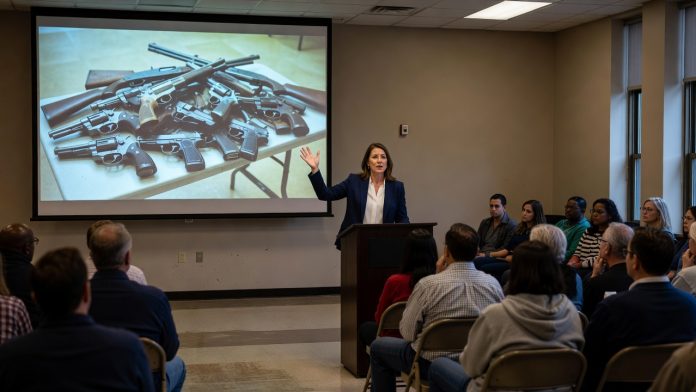
The advocate pointed out that buyback events present themselves as solutions for individuals unsure about what to do with unwanted guns. In reality, she stated, many of these firearms end up being auctioned to federal firearms licensees rather than being destroyed.
This practice, according to the advocate, undermines the stated goal of reducing gun ownership through voluntary surrender. She described the programs as insulting to those who participate in good faith.
Critics of such programs often emphasize the importance of responsible firearm ownership and disposal options. The advocate suggested that a more transparent approach would involve direct guidance for owners seeking to relinquish guns without the intermediary of public events.
Participants in give-back programs in Virginia receive small incentives, but the long-term handling of the firearms raises questions about effectiveness. The advocate stressed that true alternatives should prioritize private sales or transfers to licensed dealers.
Virginia has hosted multiple give-back events in recent years as part of broader public safety efforts. These programs aim to remove unwanted firearms from circulation.
The advocate’s comments come amid ongoing debates about gun policies in the commonwealth. She advocated for alternatives that allow owners to handle transfers responsibly and privately.
Such suggestions align with calls for clearer information on firearm disposal processes. The advocate concluded by urging better alternatives that avoid the auction process altogether.
This discussion underscores broader tensions around voluntary firearm surrender initiatives. Advocates for gun rights continue to push for options that respect individual decision-making.
The advocate’s remarks highlight the need for honest communication in public safety programs. Virginia residents interested in turning in firearms now have additional context on program outcomes.