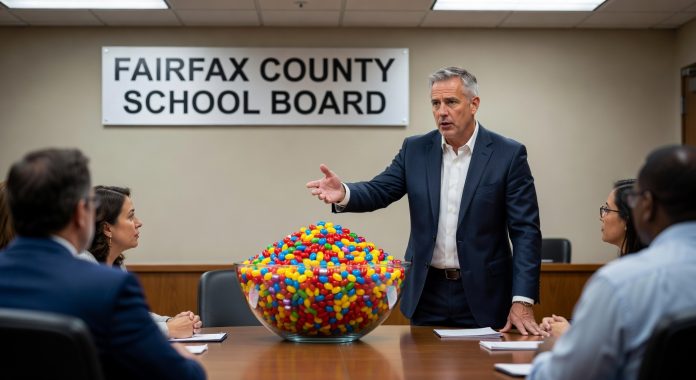
Van Wagner recounted the story of a friend whose son, Tim, attended a local summer camp last summer. Just a week into the program, Tim placed a frantic call home, alarmed by the sheer volume of candy being distributed as rewards. This was no occasional treat; candy was dispensed throughout the day – not merely after dinner or completing drills, but as the core mechanism of the camp’s entire reward system.
Concerned for her child’s health, the mother sought clarification from a camp counselor, requesting specifics on the candy protocol. The response was telling: the counselor became visibly upset at the questioning, insisting on a meeting and defending the setup vigorously. She revealed that the camp’s complete reward structure revolved around candy, making reduction even marginally challenging. Tim had already consumed 17 pieces in a single day, prompting parental horror at the addictive cycle being normalized.
“This isn’t about candy,” Van Wagner emphasized, pivoting to the heart of his message. The tale serves as a stark parallel to Fairfax County Public Schools, where digital screens – iPads, laptops, educational videos, and games – function identically as ubiquitous incentives. Children receive screen access for finishing tasks, behaving well, or simply participating, embedding technology deeply into daily routines.
Parents attempting to intervene encounter similar pushback from educators and administrators. Questions about screen limits are met with defensiveness, as the system has become entrenched. Van Wagner asserted that a ‘mountain of evidence’ exists demonstrating the detrimental impacts: diminished attention spans, increased anxiety and behavioral disorders, hindered social development, and physical ailments from prolonged sitting, including obesity and poor posture. Sleep patterns suffer from blue light exposure, exacerbating learning difficulties.
This practice persists under the leadership of the Democrat-dominated Fairfax County School Board and Superintendent Michelle Reid, who has overseen policies prioritizing progressive initiatives over core academic rigor and child welfare. The board, known for contentious decisions on curricula and parental input, continues to favor screen-heavy environments despite mounting parental outcry. Notable members include Chair Karl Frisch, Vice Chair Abrar Othman, and representatives Ricardy Anderson (At-Large), Beth Barts (Dranesville), Teresa Costanzo (Hunter Mill), Ryan McElveen (Lee), Katie Kennedy (Mason), Stacy Overton (Mount Vernon), Melanie Meren (Providence), Kyle Taylor (Springfield), Michelle Guzman (Sully), and Charlotte McConnell (Braddock). These officials have faced criticism for sidelining parent concerns in favor of equity-focused agendas that often correlate with expanded technology use.
This exemplifies government overreach in education, where unelected bureaucrats undermine family authority. Virginia Republicans advocate restoring parental rights, emphasizing traditional discipline methods like praise, privileges, and tangible non-digital rewards that foster self-reliance without addiction risks. Delegate Van Wagner’s testimony calls for accountability, urging the House of Delegates to consider measures limiting screen time in public schools statewide.
Parents in Fairfax County are mobilizing, echoing national trends where communities reject screen saturation. Studies link excessive early screen exposure to lifelong developmental setbacks, yet schools cling to tech vendors’ promises of ‘engagement.’ True education demands human interaction, physical activity, and moral guidance – values Republicans champion.
As Virginia families demand change, Van Wagner’s metaphor resonates powerfully: just as unchecked candy rots teeth and health, unchecked screens erode young minds. It’s time for Fairfax leaders to pare back this digital candy mountain, prioritizing children’s futures over convenience.
The pushback underscores broader Republican priorities: limited government, family empowerment, and commonsense reforms protecting the next generation from modern vices.
Source: Field reports and eyewitness accounts.