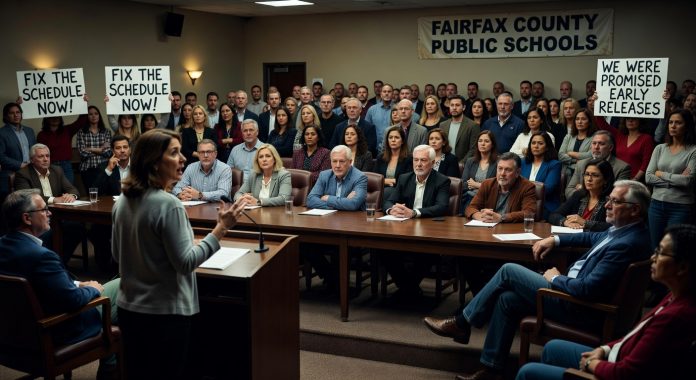
McElveen, speaking from the board dais, recounted how principals pushed for the early release arrangement as a temporary measure to provide teachers with dedicated planning periods. The board accommodated the request, expecting it would be fleeting. However, two years later, the policy persists, robbing students of valuable classroom hours without the promised safeguards for their afternoons.
Among the guarantees that evaporated were plans to embed consistent language instruction in every elementary school, expansion of world language classes, and dedicated Mondays for teacher planning while shuttling students to structured activities. Partnerships with organizations like the YMCA were touted to fill the gap with enriching programs, ensuring students remained engaged rather than idle. None of these materialized, leaving parents scrambling for childcare and students shortchanged on education.
‘There’s a pattern here,’ McElveen stated, highlighting similar lapses in commitments for alternative activities and support structures. What began as a responsive gesture to staff needs has morphed into a chronic disruption, exacerbating challenges for families already burdened by high costs and inconsistent schooling.
This revelation comes amid broader turmoil at the Fairfax County School Board, whose 12 members—Chair Sandy Anderson of Springfield District, Vice Chair Robyn Lady of Dranesville District, Ricardy Anderson of Mason District, Melanie Meren of Hunter Mill District, Seema Dixit of Sully District, Karl Frisch of Providence District, Rachna Sizemore Heizer of Braddock District, Mateo Dunne of Mount Vernon District, Ryan McElveen at large, Ilryong Moon of Lee District, Kyle McDaniel of Providence? wait adjust, Tom Danan, and Marcia St. John-Cunning—grapple with parental outcry over calendar chaos. Recent deliberations capped elementary early release days at eight per year, down from twelve, but critics argue even this falls short of restoring full instructional days.
Parents have voiced exasperation over the financial toll, with childcare expenses piling up and fragmented weeks hindering academic progress. Student representatives have challenged the board on ‘calendar bloat,’ questioning how frequent disruptions serve learning. Fairfax County Public Schools, serving over 180,000 students, faces scrutiny for spending $22,644 per pupil—exceeding many private school tuitions—while delivering dismal results: 6,894 enrollment drop from 2015-2025, one in four students failing SOLs in reading, math, and science, and 40 schools flagged as underperforming.
The district slashed 275 teaching positions amid administrative bloat, with Superintendent Michelle Reid earning $445,353 and her chief of staff $306,154. Private school enrollment has doubled since 2019, and statewide homeschooling surged from 38,000 to 66,000 students, signaling a vote of no confidence in public education leadership.
Under all-Democrat control, the board’s decisions prioritize staff conveniences over core educational missions, eroding trust. McElveen’s candid admission underscores a governance failure where promises dissolve into policy inertia, leaving taxpayers footing the bill for subpar outcomes. Families demand the board honor its word, rein in disruptions, and refocus on student achievement before further damage mounts.
As elections loom in 2027, residents eye accountability for this entrenched dysfunction, urging a return to basics: maximum classroom time, fiscal prudence, and uncompromised learning opportunities.
Source: Field reports and eyewitness accounts.