
RICHMOND, Va. – In a procedural move that keeps momentum alive for rural Virginians embracing self-sufficient lifestyles, House Bill 314 has been continued to the 2027 legislative session by the House General Laws Committee. The bill, introduced by Delegate Otto Wachsmann of the 83rd District, seeks to update the Uniform Statewide Building Code by exempting off-grid homeowners from electrical system requirements, provided their homes meet other habitability standards.
Prefiled on January 9, 2026, and offered on January 14, HB314 was promptly referred to the Committee on General Laws and assigned to its Housing/Consumer Protection Subcommittee. The Department of Planning and Budget issued fiscal impact statements on January 9, January 19, and January 23, concluding that any costs to the Department of Housing and Community Development could be absorbed within existing resources. Potential impacts on the courts remain indeterminate due to possible shifts in code violations and civil penalties.
On February 5, the subcommittee recommended continuation to 2027 by voice vote, a decision ratified by the full committee on February 10. This carryover ensures the legislation avoids expiration and returns for further consideration next year, allowing additional time for refinement and building support among stakeholders invested in property rights and reduced regulatory burdens.
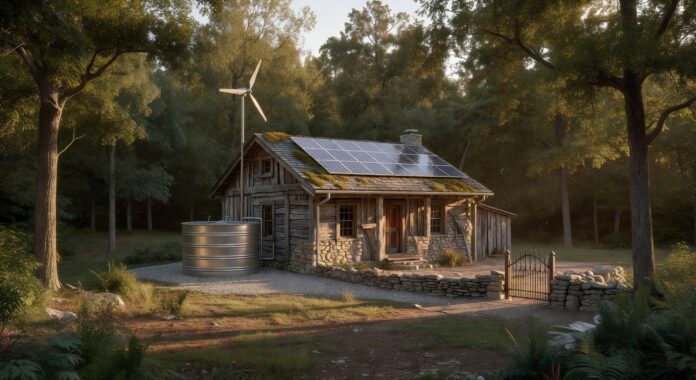
HB314 directs the Board of Housing and Community Development to amend the Uniform Statewide Building Code specifically for homeowners living off the electrical grid. These individuals, often in rural areas like those in Delegate Wachsmann’s district encompassing Brunswick County and parts of Dinwiddie County, choose alternative energy sources such as solar panels or generators to maintain independence from utility grids. The exemption applies only to electrical provisions, ensuring structures remain safe and habitable under remaining code regulations.
Delegate Wachsmann, who has represented the 83rd District since 2022, brings a focus on practical solutions for his constituents. The district’s rural character underscores the bill’s relevance, where off-grid living aligns with traditions of self-reliance and land stewardship. By targeting unnecessary electrical mandates for those not connected to the grid, the measure promotes freedom in home construction without compromising overall safety standards.
The Uniform Statewide Building Code governs construction across Virginia to protect public health and welfare. However, its one-size-fits-all approach can hinder innovative, sustainable living options. HB314 addresses this by carving out a targeted exemption, recognizing that off-grid homes do not pose the same risks associated with grid-tied electrical systems. Homeowners must still comply with structural, plumbing, and other critical requirements, maintaining accountability while granting flexibility.
Fiscal analyses confirm the bill’s low budgetary footprint. The Department of Housing and Community Development anticipates handling any administrative duties within current operations. While civil penalty adjustments could influence enforcement, no significant revenue or expenditure changes are projected, making HB314 a cost-effective reform.
The continuation reflects strategic legislative practice in Virginia’s General Assembly, where bills are often carried over to build coalitions or await favorable conditions. With the 2026 session ongoing as of March 3, this action positions HB314 for potential passage in 2027, when Republicans aim to advance deregulation priorities favoring individual liberties and economic efficiency.
Supporters view the bill as essential for Virginia’s growing interest in off-grid solutions amid rising energy costs and desire for energy independence. Rural homeowners, farmers, and homesteaders stand to benefit most, free from mandates irrelevant to their setups. Delegate Wachsmann’s initiative highlights commitment to easing code compliance for those prioritizing personal responsibility over centralized utility dependence.
As the House General Laws Committee processes hundreds of measures, HB314’s survival demonstrates its merit. The voice vote continuations signal broad subcommittee and committee comfort with the concept, paving the way for broader House consideration next session. Virginia’s building code evolves through such targeted updates, balancing safety with practicality.
In District 83, where agriculture and outdoor lifestyles thrive, this bill resonates deeply. Delegate Wachsmann’s patronage underscores his advocacy for policies empowering residents against overregulation. With fiscal hurdles cleared and procedural hurdles navigated, HB314 remains poised to deliver real relief for off-grid Virginians seeking to build homes on their terms.
NEWSLETTER SIGNUP
Subscribe to our newsletter! Get updates on all the latest news in Virginia.