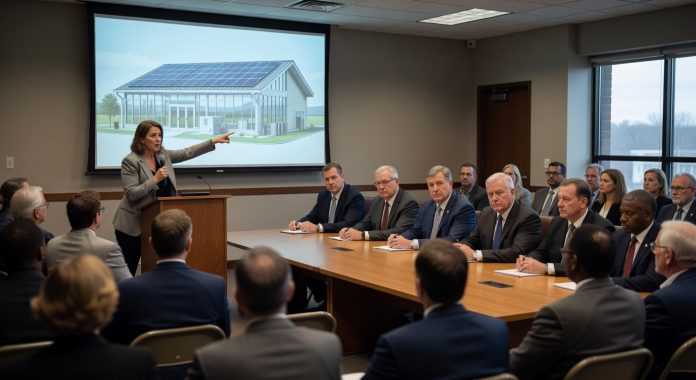
From a perspective prioritizing fiscal responsibility, this push raises significant concerns about the prudent use of taxpayer dollars. Government buildings should prioritize durability, functionality, and cost-effectiveness rather than serving as experimental grounds for intermittent renewable technologies. Solar power, while touted as sustainable, remains dependent on weather conditions, producing energy only during daylight hours and under optimal skies. Battery storage, necessary to address this intermittency, comes with high upfront costs, limited lifespan, and potential safety risks including fire hazards that have plagued installations nationwide.
Virginia’s taxpayers, already burdened with rising property taxes and infrastructure demands, deserve facilities built to last without unnecessary green overlays that inflate construction budgets. The speaker argued that the property should be a ‘model of high standards’ for sustainability and design, suggesting government lead by example. However, true leadership involves delivering essential services efficiently without chasing symbolic gestures that fail to deliver reliable power at scale. Existing conditions of approval already ensure environmental protections, including certification processes and mitigation strategies, demonstrating sufficient stewardship without escalating expenses.
The proposal highlights a broader debate in Virginia over public project priorities. Counties across the state grapple with population growth, school overcrowding, road maintenance, and public safety needs. Diverting funds to solar arrays and batteries—technologies subsidized by federal incentives that ultimately trace back to taxpayer money—diverts resources from these pressing issues. Historical data on similar projects shows solar installations often underperform promised output, require frequent maintenance, and contribute to higher long-term energy costs when grid integration is factored in.
Moreover, mandating such features for all public projects, as implied in related commentary, smacks of overreach. Local governments should have flexibility based on economic realities, not ideological demands. Virginia’s energy mix, bolstered by natural gas, nuclear, and reliable sources, has kept electricity affordable. Imposing rooftop solar on public buildings ignores economies of scale available through utility-scale power, where costs are lower per megawatt-hour.
Supporters frame this as demonstrating ‘government responsibility’ under hashtags like #Sustainability and #GreenEnergy. Yet, responsibility to constituents means avoiding boondoggles. The new center could exemplify smart governance by sticking to proven construction methods, ensuring the facility operates efficiently for decades without relying on volatile renewables. Conditions already in place adequately address environmental concerns, from tree conservation to invasive species control, balancing development with preservation.
As deliberations continue, stakeholders should scrutinize the financial implications. Cost estimates for rooftop solar on commercial buildings can add 20-30% to initial outlays, with payback periods stretching 15-25 years under ideal conditions—longer in Virginia’s variable climate. Battery systems compound this, with lithium-ion units prone to degradation and replacement every 10 years. Public funds demand rigorous cost-benefit analysis, not feel-good additions.
Virginia’s conservative-leaning communities value self-reliance and limited government intervention in energy markets. Forcing green tech on public infrastructure risks setting precedents for broader mandates, echoing state-level pushes that have driven up utility rates. The Tuscarora Land Bay 4 project offers an opportunity to affirm practical governance: build solid, serve the people, and let private sector innovate in renewables.
Ultimately, while the speaker’s passion for higher standards is noted, the focus must remain on delivering value. Taxpayers expect government centers that function reliably, not showcase unreliable tech at premium prices. This case underscores the need for elected officials to prioritize affordability and resilience over virtue-signaling sustainability measures.
Source: Field reports and eyewitness accounts.