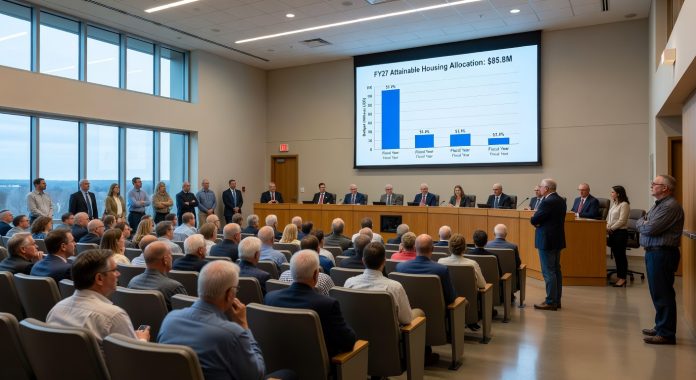
The FY27 proposal includes $10.5 million for a loan program expected to fund 100 units and $4.5 million for the attainable housing fund targeting 110 units. In a move that diverts revenue from smokers, the board has committed a penny of cigarette tax revenue starting in FY2027 specifically for down payment and closing cost assistance. This comes on top of a dedicated property tax penny already in place for housing initiatives. Combined, these efforts represent a massive expansion of government intervention in the housing market, totaling nearly $86 million since FY2023.
Critics argue this spending spree prioritizes subsidized housing over core services like schools and public safety, especially as the overall FY27 budget balloons to $5.4 billion. A proposed 1-cent property tax increase would add an average of $141 annually to homeowners’ bills, despite data centers in the county contributing to a 38% property tax rate reduction since 2010, saving homeowners about $3,400 per year on average. Why saddle taxpayers with more burdens when private sector growth from tech hubs could naturally expand housing supply without such heavy-handed subsidies?
The programs focus on long-term affordability and accessibility, funding additional housing loans and attainable units. Since FY2023, investments have supported more than 1,100 units through various channels. Additionally, the funding will back four developments encompassing over 600 units currently under review. Proponents tout this as a commitment to making housing attainable, but skeptics see it as classic big-government overreach, where taxpayer dollars prop up inefficient programs that distort the market.
Loudoun County’s rapid growth, fueled by data centers and proximity to Washington, D.C., has driven up housing demand. Yet instead of streamlining regulations or cutting red tape to encourage private development, officials opt for direct subsidies. This approach echoes national trends where similar investments yield questionable results—millions per unit in some cases elsewhere, though Loudoun’s figures appear more modest at first glance. With over 1,100 units funded from $85.8 million, the per-unit cost hovers around $78,000, still a significant outlay when families face inflation and higher local taxes.
The Board of Supervisors, responsible for this budget, continues to expand spending even as some call for tax relief. Recent budgets have seen property tax revenue projections rise by $70 million, yet leaders push forward with permanent funding for what were once temporary programs. This pattern raises alarms about unchecked growth in government expenditure, potentially pricing out middle-class residents who built the county’s prosperity.
While the intent to address housing needs is understandable, true affordability comes from deregulation, not endless subsidies. Loudoun’s success with data centers proves market forces work when unhindered. Taxpayers deserve better stewardship of their dollars, focusing on essentials rather than expansive social programs that may not deliver promised results. As the FY27 budget moves forward, residents should demand transparency and accountability from their leaders.
This significant investment underscores a shift toward government-led solutions, but at the expense of fiscal conservatism that has long benefited the county. With more units planned and taxes ticking up, the real test will be whether these programs truly make housing attainable or merely line the pockets of developers and bureaucrats.
Source: Field reports and eyewitness accounts.