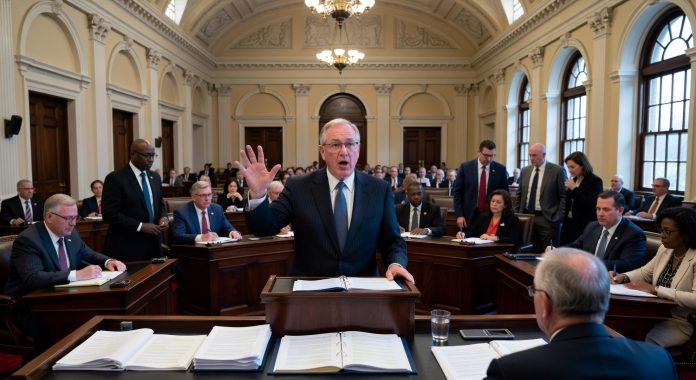
A seasoned lawmaker, speaking from the well of the chamber, articulated a clear opposition to easing these rules. He acknowledged sympathy for distilleries seeking parity with breweries and wineries, which operate without similar food mandates even when offering mixed drinks. ‘I’m sympathetic to the distilleries’ desires to be on a level playing field,’ he stated, recognizing the competitive pressures in the alcohol sector.
However, he emphasized that Virginia’s alcohol policy, established since 1968, intentionally differentiates spirits from beer and wine due to their potency. ‘The truth is the policy since 1968 is to treat spirits very differently,’ he noted. Breweries and wineries face no ‘food ratio’ requirements, but establishments serving mixed beverages – cocktails made with high-proof spirits – must adhere to strict food service standards. This distinction exists precisely because hard liquor poses greater risks of overconsumption and impairment.
The lawmaker underscored the public safety rationale behind these rules. ‘There is a very strict food requirement that have mixed beverages,’ he explained, pointing out that the mandate ensures patrons consume alcohol alongside substantial meals, slowing absorption and reducing the likelihood of intoxication. Allowing distilleries to bypass this would effectively transform them into bars serving unlimited cocktails without safeguards. ‘You’re serving hard [liquor]. We created distilleries… Now we’re basically saying distilleries have become bars, have unlimited cocktails [without food requirement],’ he warned.
This push for deregulation raises serious questions about accountability. Why should distilleries receive a special exemption when restaurants and bars – businesses that have long served the Commonwealth faithfully – must comply? The speaker challenged proponents directly: ‘And I would ask you simply why do we have a food requirement [with the flexibility of distilleries that they seek to have unlimited cocktails]. If there’s no public safety issue with that, then why [do we impose it on others]?’ Such logic exposes the inconsistency of granting carve-outs to one industry while burdening others.
From a perspective valuing limited government and free enterprise, Virginia’s craft distillery sector deserves encouragement. The state has fostered innovation in spirits production, attracting investment and jobs. Yet true conservatism demands prudent governance, not reckless exemptions that could lead to increased drunk driving, emergency room visits, or tragedies on Virginia’s roads. The food requirement isn’t arbitrary bureaucracy; it’s a proven measure balancing business freedom with personal responsibility.
Supporters of the change argue for economic competitiveness, claiming breweries and wineries thrive without these hurdles. But spirits are not equivalent to lighter beverages. A cocktail packs far more alcohol than a pint of beer or glass of wine, amplifying risks. Lawmakers must prioritize Virginians’ safety over short-term industry gains. Eroding these protections sets a dangerous precedent, potentially inviting further dilutions of standards.
Virginia’s legislative process shines when it rejects hasty reforms. The Senate’s deliberation reflects deliberate lawmaking, weighing testimony against decades of policy wisdom. Rejecting this proposal would affirm commitment to responsible growth, ensuring distilleries innovate in production rather than pivoting to bar operations without accountability.
As the debate continues, stakeholders should focus on equitable solutions, like expanding tastings or bottle sales, without undermining safety nets. Virginia’s success lies in fostering enterprise within boundaries that protect the public good. Lawmakers who stand firm demonstrate leadership in an era of regulatory overreach elsewhere.
This measured approach aligns with principles of self-reliance and community protection, core to Virginia’s heritage. The Commonwealth thrives when businesses succeed responsibly, not by special favors that endanger lives.
Source: Field reports and eyewitness accounts.