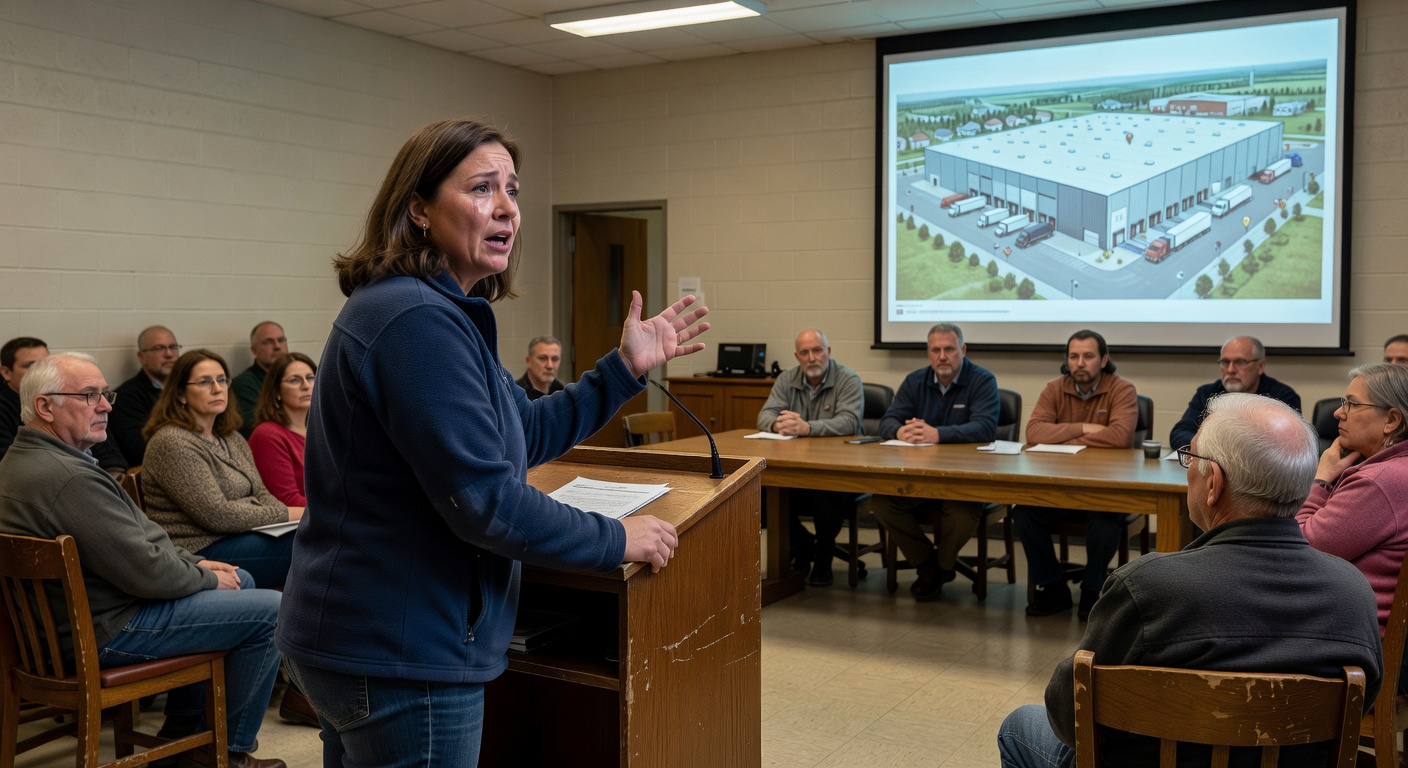
Route 7 serves as a critical artery through Virginia’s northern regions, carrying thousands of vehicles daily, including high-speed commuters and commercial trucks. The father’s account paints a vivid picture of vulnerability: young children playing in close proximity to such hazards, with parents struggling to keep constant watch. He emphasized the trauma of the moment, noting that had a vehicle been passing at that instant, the outcome could have been tragic. This incident, he argued, is not an isolated fluke but a preview of the risks families face daily in Meadow Farms, a residential enclave where families seek respite from urban pressures, not heightened peril.
The warehouse proposal, aimed at bolstering industrial growth, promises economic benefits like jobs and tax revenue. However, critics like this parent contend that such developments often prioritize short-term gains over long-term community welfare. In an era where fiscal conservatism demands prudent stewardship of public resources, approving this project invites massive liability exposure for the county. The father was unequivocal: should a similar high-traffic mishap occur involving a child, he would pursue legal action without hesitation. This is not a hollow threat but a stark reality—lawsuits stemming from negligence could drain taxpayer dollars, diverting funds from essential services like schools, roads, and public safety.
From a perspective that values limited government intervention and local control, this testimony serves as a clarion call for elected officials to prioritize constituents over corporate interests. Warehouse sprawl has plagued Virginia’s suburbs, turning quiet neighborhoods into truck corridors, eroding property values, and straining infrastructure ill-equipped for industrial loads. Meadow Farms residents, many of whom embody traditional family values, deserve leaders who safeguard their right to safe communities rather than rubber-stamping developments that enrich developers at the expense of everyday Virginians. The father’s words resonate with core Republican principles: personal responsibility paired with governmental accountability. Counties must conduct thorough risk assessments, invest in proper infrastructure upgrades, and reject projects incompatible with residential zoning.
Moreover, this episode highlights broader issues in Virginia’s growth management. Unfettered development without corresponding safety measures exemplifies big-government overreach disguised as economic progress. Taxpayers foot the bill for inadequate planning—whether through lawsuit payouts or emergency response costs. Conservative voices have long advocated for zoning reforms that empower local boards to veto ill-suited projects, preserving the character of communities like Meadow Farms. The parent’s plea aligns with efforts to curb urban encroachment, ensuring that growth serves families, not undermines them.
Community concerns extend beyond immediate safety. Increased truck traffic on Route 7 would exacerbate congestion, pollution, and noise, diminishing quality of life. Families relocating to such areas for their children now face the prospect of industrial shadows looming over playgrounds and parks. Elected officials sworn to protect the public trust must weigh these human costs against speculative economic promises. Delaying or denying the warehouse stands as a fiscally sound, pro-family decision, reinforcing that safety infrastructure must precede any development.
As debates continue, this father’s raw, unfiltered testimony cuts through bureaucratic jargon, reminding all that behind zoning maps are real lives at stake. Virginia’s conservative base urges county leaders to heed such warnings, fostering environments where children can thrive without fear. Prioritizing safety is not anti-growth; it is responsible governance.
Source: Field reports and eyewitness accounts.
NEWSLETTER SIGNUP
Subscribe to our newsletter! Get updates on all the latest news in Virginia.