Virginia Lawmakers Advance Bipartisan Push for Comprehensive Electric Utility Infrastructure Review
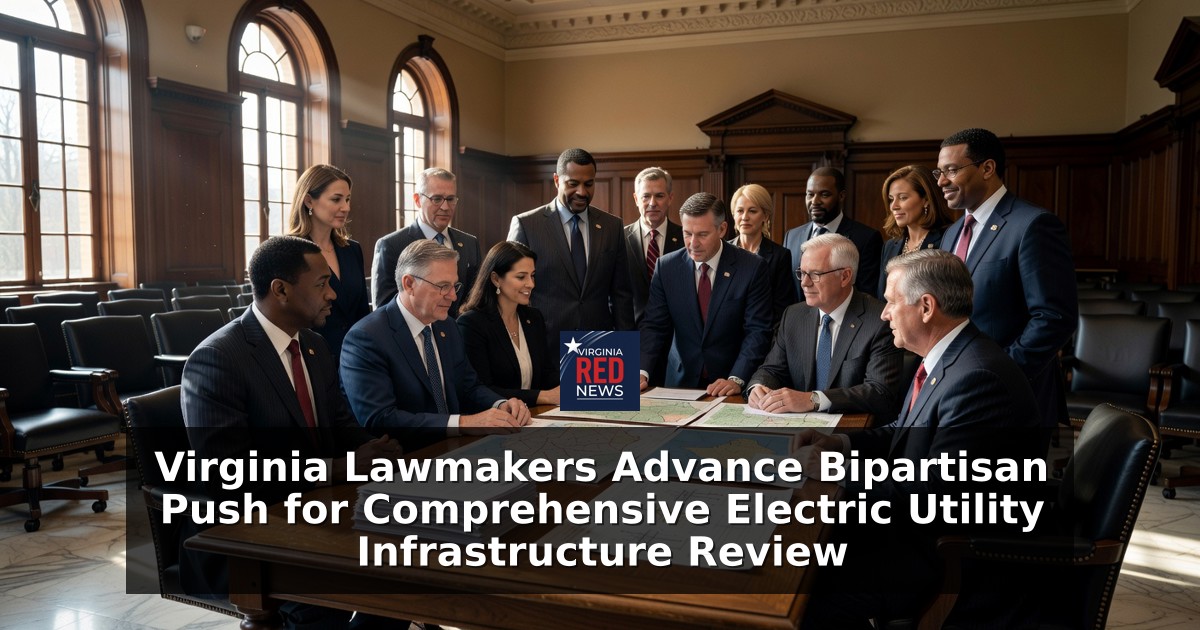
RICHMOND, Va. – As Virginia continues to lead the nation in data center development and faces mounting pressure on its electric grid, House Bill 114 has cleared significant hurdles in the General Assembly, positioning it for potential passage this session. The legislation, spearheaded by Delegate Lee Ware of the 72nd District, directs the Department of Energy and the State Corporation Commission to undertake a thorough analysis of the commonwealth’s existing electric utility infrastructure.
Introduced on January 2, 2026, and prefiled ahead of the session, HB 114 quickly garnered support in the House. Referred to the Committee on Labor and Commerce, it received a unanimous recommendation from Subcommittee 3 on January 22, with a 10-0 vote. The full committee followed suit on January 27, reporting it out with a substitute by a 22-0 margin. The House then agreed to the committee substitute, engrossed the bill on January 30, and passed it on second reading that day. On February 2, the chamber gave it final approval in a resounding 99-0 vote, sending it to the Senate without opposition.
In the upper chamber, the bill hit the Committee on Commerce and Labor on February 3. There, it advanced decisively on February 23 with a 15-0 vote to report with a substitute, followed by rereferral to the Senate Finance and Appropriations Committee. A fiscal impact statement from the Department of Planning and Budget arrived on February 25, underscoring the measure’s focus on fiscal prudence. As of March 1, the bill remains in committee, but its bipartisan backing—including cosponsorship from Delegate Richard Sullivan—signals broad consensus on the need for proactive grid management.
At its core, HB 114 mandates a comprehensive review aimed at pinpointing cost-saving opportunities within current infrastructure. This analysis seeks alternatives or supplements to expensive greenfield projects—new builds from scratch—that can enhance or maintain electric system reliability. With Virginia’s explosive growth in energy-intensive industries, particularly the data centers clustered in Northern Virginia, which account for a significant portion of the state’s power consumption, such measures are critical. The bill requires the agencies to deliver their findings in a detailed report to the General Assembly by July 1, 2027, providing lawmakers with data-driven recommendations to ensure a stable, affordable energy supply.
Delegate Ware, a veteran lawmaker representing Amelia, parts of Chesterfield, Nottoway, and Powhatan counties, has long championed practical solutions to infrastructure challenges. His district, encompassing rural and suburban areas reliant on dependable utilities, stands to benefit from efforts that maximize existing assets before committing taxpayer dollars to expansive new developments. The unanimous House passage reflects recognition that Virginia’s economic engine—fueled by tech hubs and manufacturing—demands resilient power without undue rate hikes for consumers.
The Senate substitute, printed as 26108325D-S1, aligns closely with the House version (26106016D-H1), maintaining the emphasis on efficiency. This step-by-step legislative journey highlights a commitment to evidence-based policymaking. By avoiding hasty mandates and instead calling for expert analysis, HB 114 embodies fiscal conservatism, prioritizing upgrades to proven infrastructure over speculative expansions.
Virginia’s electric grid has strained under recent demands, with utilities warning of capacity shortfalls if growth continues unchecked. The bill’s focus on reliability preservation addresses these realities head-on, potentially averting blackouts and supporting job creation. As the Finance and Appropriations Committee deliberates, stakeholders watch closely, hopeful that swift action will safeguard the commonwealth’s energy future.
Committee substitutes have refined the language, ensuring the analysis encompasses transmission, distribution, and generation assets. The report must detail actionable steps, from reconductoring lines to optimizing underutilized facilities, all while weighing costs against benefits. This targeted approach promises to deliver long-term savings for ratepayers and bolster Virginia’s competitiveness.
With the session pressing forward, HB 114 exemplifies how targeted legislation can meet modern challenges. Its progress underscores the value of collaboration across aisles and committees, paving the way for a more robust grid ready for tomorrow’s demands.
Budget Data Center Data Centers Electric Energy Growth House Law Lee Ware Legislation Senate Virginia