Virginia Beach Moves to Protect Firefighter Health with Smarter Schedules
RVN staff
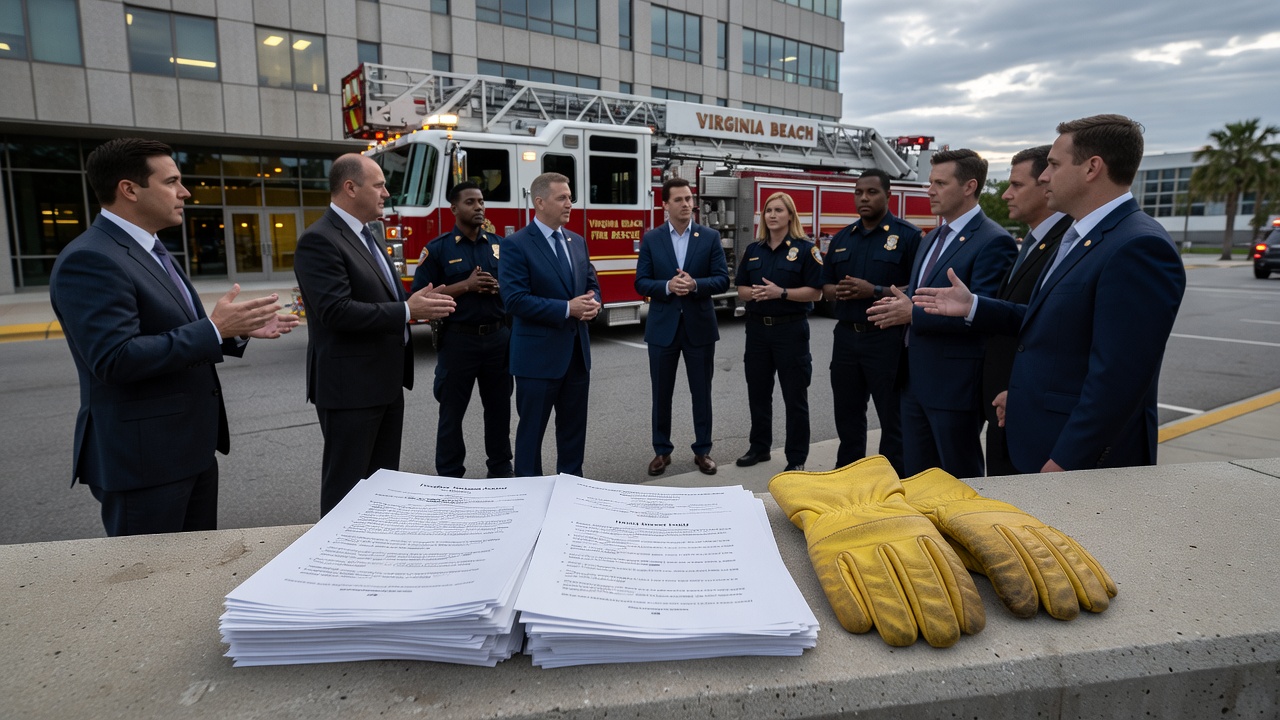
Virginia Beach City Council has taken up a pressing matter of public safety and workforce sustainability by examining the long-standing 56-hour workweek for firefighters and the clear health toll it exacts. Officials and department leaders highlighted how decades of extended shifts have produced cumulative fatigue that undermines recovery and elevates serious risks for those who run toward danger every day. The Fire Department has put forward a transition to a 48-hour workweek as a straightforward remedy that reduces continuous exposure while preserving the rapid response citizens rightly expect. This discussion reflects a common-sense commitment to the men and women who form the backbone of community protection. Conservative principles have long held that a strong society honors its first responders with policies that keep them healthy, ready, and able to serve for full careers rather than burning out midway.
The physical and mental demands placed on firefighters go far beyond ordinary municipal work. Responders routinely face hard physical labor inside environments immediately dangerous to life and health, compounded by repeated encounters with traumatic scenes that keep the brain locked in high alert. Elevated cortisol floods the system under these conditions and steadily damages both body and mind when recovery windows remain too short. Shortening the weekly hour load directly interrupts that harmful cycle and gives personnel the time needed to reset before the next call. Such a change is not softness; it is disciplined stewardship of the human capital that keeps neighborhoods safe. Families of firefighters also gain when spouses and parents return home with enough energy left for the next generation, reinforcing the traditional values of duty and home that conservatives champion.
Health Risks Demand Practical Action
Industry experience over many decades shows that the old schedule model no longer matches the realities of modern emergency service. Cumulative fatigue has become a recognized concern precisely because the body cannot indefinitely absorb the combined stresses of heavy labor, toxic exposures, and psychological trauma without measurable decline. High cortisol levels alter brain function and raise long-term disease risks that ultimately cost taxpayers more through medical claims, early retirements, and lost expertise. Providing structured recovery time through a 48-hour framework is a targeted intervention that lowers those exposures without diluting operational strength. Virginia Beach leaders are right to treat this as a readiness issue rather than a mere labor preference. Healthy firefighters mean faster, sharper responses when seconds decide outcomes for families and businesses across the city.
Recruitment and retention pressures add urgency to the schedule conversation. Prospective candidates now weigh firefighter hours against other municipal jobs and private-sector opportunities that offer more predictable lives. The heavier weekly load has become a genuine barrier that steers talented men and women away from the profession or prompts mid-career exits once family responsibilities grow. Departments that ignore this reality find themselves constantly training replacements instead of building deep institutional knowledge. A 48-hour model aligns the fire service with the sustainability and balance that today’s workforce expects while still demanding the excellence and courage the job has always required. Conservatives understand that free people vote with their feet; sensible schedule reform keeps the best talent in public safety rather than losing them to less demanding fields.
Retention and Fair Compensation Strengthen the Force
Compensation structure further illustrates why the current arrangement feels outdated to many. Firefighters receive annualized salaries comparable to their public-safety peers, yet the hourly rate calculates lower simply because they are scheduled for more hours each week. That arithmetic can demoralize dedicated professionals who already accept elevated personal risk. Adjusting the schedule brings the hourly reality into clearer alignment and removes one more obstacle to attracting and keeping quality personnel. The goal is not inflated spending but efficient use of existing resources so that experienced crews stay on the job longer. Strong retention saves money over time by reducing academy costs, overtime spikes, and the hidden price of inexperience on the fireground.
Modern workforce expectations emphasize predictability alongside the traditional call to service. As those expectations evolve, responsible departments across the country are testing schedule models that protect long-term health without compromising the mission. Virginia Beach’s proposal sits squarely inside that practical trend. It recognizes that firefighters are not interchangeable parts but citizens with families, faith commitments, and a rightful desire to finish their careers whole. Supporting that outcome advances the conservative vision of ordered liberty in which government performs its core protective functions well and then steps back. Communities sleep better knowing the people answering the alarm are rested, sharp, and committed for the long haul.
The discussion before City Council therefore serves the broader public interest. By addressing fatigue head-on, Virginia Beach reinforces the moral contract between a free people and those sworn to guard them. A 48-hour workweek offers a concrete path to lower cortisol-driven harm, improve recovery, and make the profession competitive again for the next generation of patriots willing to serve. Fiscal conservatives should welcome reforms that stretch every tax dollar further through better retention rather than endless recruitment cycles. Family-centered citizens should welcome policies that return fathers and mothers home with enough strength left for their own households. In the end, safer streets and stronger families both flow from treating firefighter health as the strategic asset it has always been. Virginia Beach is wise to move in this direction and set an example other Virginia localities can follow.
Virginia Beach 48-hour workweek Addressing Candidates Citizens City Council claims community community well-being compensation concern costs discussion emergency services Energy families family fatigue Fire Department firefighter health firefighter wellness First first responders Government health outcomes health risks held industry standards Issue Jobs localities modernization neighborhoods overtime reduction Parents Price public safety response retention Safety spending staffing Taxpayers Virginia Virginia Beach Virginia Beach City Council Virginia localities vote Women work schedule workforce work-life balance
